Here Allah tells His Messenger to command the believing women -- especially his wives and daughters, because of their position of honor -- to draw their Jilbabs over their bodies, so that they will be distinct in their appearance from the women of the Jahiliyyah and from slave women. The Jilbab is a Rida', worn over the Khimar. This was the view of Ibn Mas`ud, `Ubaydah, Qatadah, Al-Hasan Al-Basri, Sa`id bin Jubayr, Ibrahim An-Nakha`i, `Ata' Al-Khurasani and others. It is like the Izar used today. Al-Jawhari said: "The Jilbab is the outer wrapper. `Ali bin Abi Talhah reported that Ibn `Abbas said that Allah commanded the believing women, when they went out of their houses for some need, to cover their faces from above their heads with the Jilbab, leaving only one eye showing. Muhammad bin Sirin said, "I asked `Ubaydah As-Salmani about the Ayah:
A person who turns an apostate (murtadd) after having embraced Islam is killed in punishment
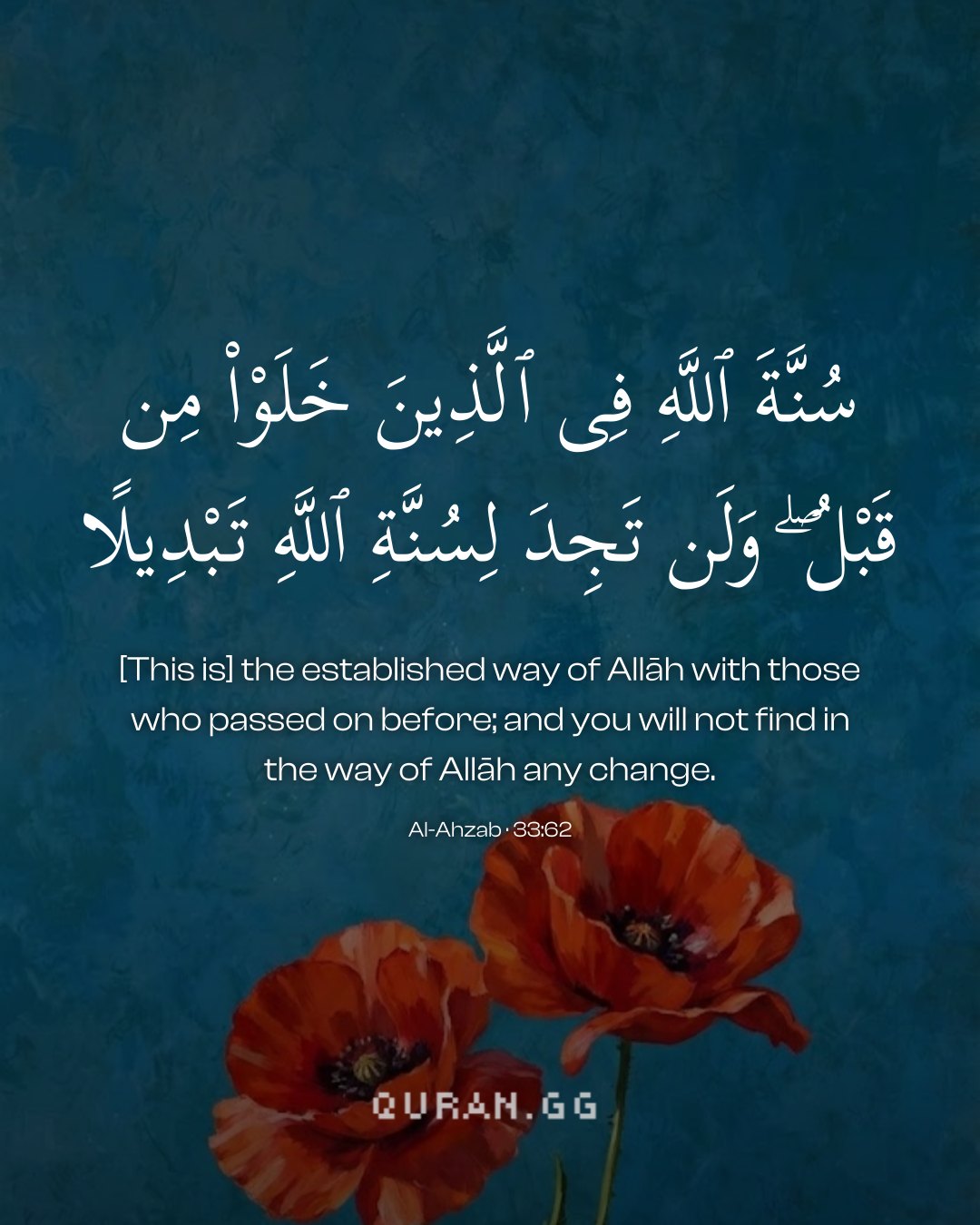
Two mischiefs made by the hypocrites have been mentioned in the cited verse and it has been said that should they fail to abstain from indulging in these any further, the punishment they shall face will be: مَّلْعُونِينَ ۖ أَيْنَمَا ثُقِفُوا أُخِذُوا وَقُتِّلُوا تَقْتِيلًا (Wherever they are found, they shall be seized, and shall be killed thoroughly - 61). This punishment is not meant for disbelievers at large. Numerous textual authorities from the Qur'an and Sunnah bear it out that this is not the law of the Shari’ ah of Islam for disbelievers. In fact, the law is that they should first be invited to embrace Islam along with sincere efforts to remove any doubts they may have. If, even then, they elect not to enter the fold of Islam, they should be asked to live as Dhimmi subjects of the Muslim state. If they accept that, the protection of their life, property and honor becomes obligatory on Muslims very much like that of Muslims themselves. Yes, if there are those who do not accept this too, and choose the option of fighting, then, the command is to fight back against them.
When a Muslim woman leaves her house on an errand, she should be so clad as to give the impression that she is a well-bred, respectable, modest woman, and that she has left her home for some serious need and not to make merry or to go in search of entertainment. Simple apparel, a modest gait, the body properly covered, etc.—these are the symbols of that approach.
Uthmani text of the Madinah mushaf (King Fahd Complex). Translation: Saheeh International. Tafsir via Quran.com.