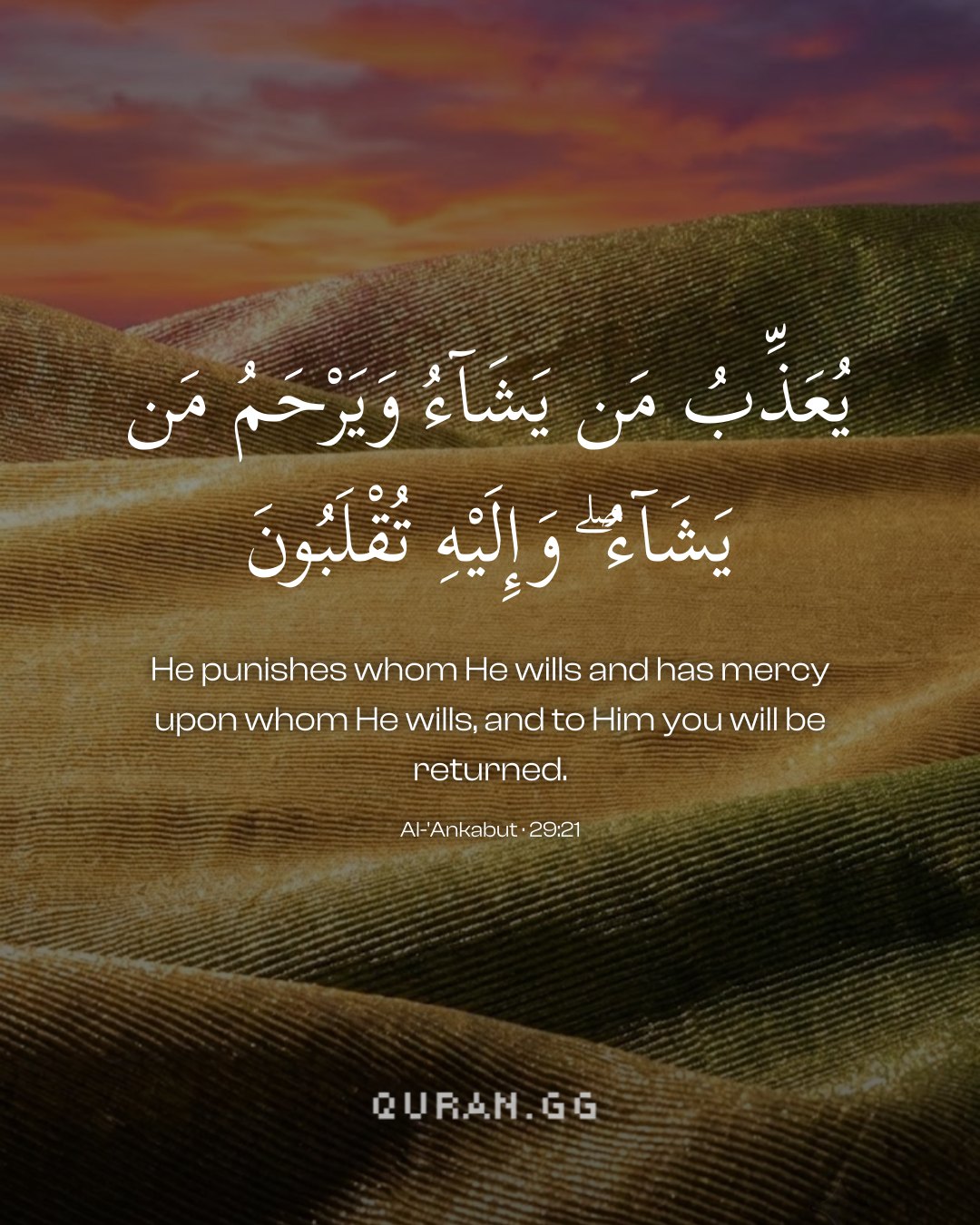
Allah tells us that Ibrahim, peace be upon him, showed them the proof of life after death, which they denied, in their souls. For Allah created them after they had been nothing at all, then they came into existence and became people who could hear and see. The One Who originated this is able to repeat it, it is very easy for Him. Then he taught them to contemplate the visible signs on the horizons and the things that Allah has created: the heavens with their stars and planets, moving and stationary, the earth with its plains and mountains, its valleys, deserts and wildernesses, trees and rivers, fruits and oceans. All of that indicates that these are themselves created things, and that there must be a Creator Who does as He chooses, Who merely says to a thing "Be!" and it is. Allah says:
The infidels of Makkah believed that it is Allah who has created the whole universe, but they deemed it impossible that the people will be resurrected after they once die. The present verses have described the fallacy of their view. It is stated that repeating the process of creation is much easier than its origination. It is strange that these infidels do believe that Allah has originated the creation, but they deny His power to do it again, while the latter is easier than the former. Then verse 20 has induced them to look around them to appreciate the splendors of the creation, so that they may apprehend that the One who has originated this marvelous creation can easily repeat the process. After establishing the Resurrection, the last three verses describe the punishment for those who deny it.
Tazkirul Quran
Maulana Wahiduddin KhanOn ayahs 18–22
Making anybody other than the One God the centre of one’s noble feelings is a sin, because it amounts to presuming that divine attributes inhere in beings other than God. It is this attribution of the lofty qualities unique to God to some thing other than God, that makes it possible for a man to become the worshipper of some entity other than Him. In the earlier days of polytheism, man used to presume that idols possessed such qualities. Today man is behaving no differently. It is just that the names of the idols of the present day vary from those of yore. The sole difference between ancient and modern times is that ancient man used to attribute the lucrative produce of his field to the kindness of some imaginary god, while the man of today says, ‘Our green revolution is a miracle of our agricultural science’.
Uthmani text of the Madinah mushaf (King Fahd Complex). Translation: Saheeh International. Tafsir via Quran.com.