Tafsir Ibn Kathir (abridged)
لِتُجْزَى كُلُّ نَفْسٍ بِمَا تَسْعَى
(that every person may be rewarded for that which he strives) (20:15).
لِيَجْزِىَ الَّذِينَ أَسَاءُواْ بِمَا عَمِلُواْ وَيِجْزِى الَّذِينَ أَحْسَنُواْ بِالْحُسْنَى
(that He may requite those who do evil with that which they have done, and reward those who do good, with what is best) (53:31).
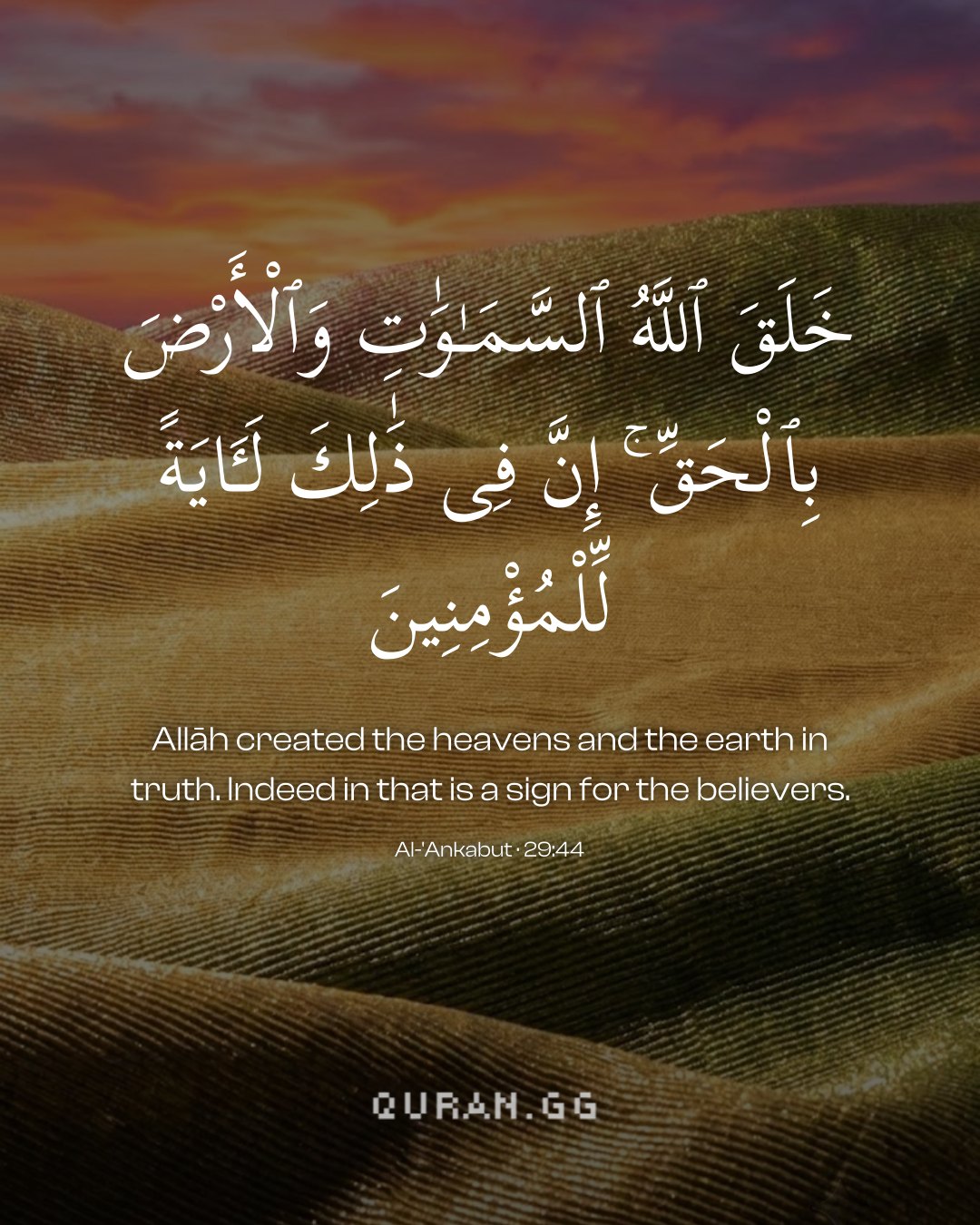
إِنَّ فِى ذَلِكَ لآيَةً لِلْمُؤْمِنِينَ
(Verily, therein is surely a sign for those who believe. ) meaning, there is clear evidence that Allah is alone in creating, controlling, and in His divinity.
The Command to convey the Message, to recite the Qur'an and to pray
Then Allah commands His Messenger and the believers to recite the Qur'an, which means both reciting it and conveying it to people.
وَأَقِمِ الصَّلَوةَ إِنَّ الصَّلَوةَ تَنْهَى عَنِ الْفَحْشَآءِ وَالْمُنْكَرِ وَلَذِكْرُ اللَّهِ أَكْبَرُ
(and perform the Salah. Verily, the Salah prevents from Al-Fahsha' and Al-Munkar and the remembrance of Allah is greater indeed.) Prayer includes two things: the first of which is giving up immoral behavior and evil deeds, i.e., praying regularly enables a person to give up these things. Imam Ahmad recorded that Abu Hurayrah said: "A man came to the Prophet and said, `So-and-so prays at night, but when morning comes, he steals.' The Prophet said:
«إِنَّهُ سَيَنْهَاهُ مَا تَقُول»
(What you are saying (i.e., the Salah) will stop him from doing that.)" Prayer also includes the remembering of Allah, which is the higher objective, Allah says:
وَلَذِكْرُ اللَّهِ أَكْبَرُ
(and the remembrance of Allah is greater indeed.) more important than the former.
وَاللَّهُ يَعْلَمُ مَا تَصْنَعُونَ
(And Allah knows what you do.) means, He knows all that you do and say. Abu Al-`Aliyah commented on the Ayah:
إِنَّ الصَّلَوةَ تَنْهَى عَنِ الْفَحْشَآءِ وَالْمُنْكَرِ
(Verily, the Salah prevents from immoral sins and evil wicked deeds) "Prayer has three attributes, and any prayer that contains none of these attributes is not truly prayer: Being done purely and sincerely for Allah alone (Ikhlas), fear of Allah, and remembrance of Allah. Ikhlas makes a person do good deeds, fear prevents him from doing evil deeds, and the remembrance of Allah is the Qur'an which contains commands and prohibitions." Ibn `Awn Al-Ansari said: "When you are praying, you are doing good, it is keeping you away from immoral sins and evil wicked deeds and what you are doing is part of the remembrance of Allah which is greater."