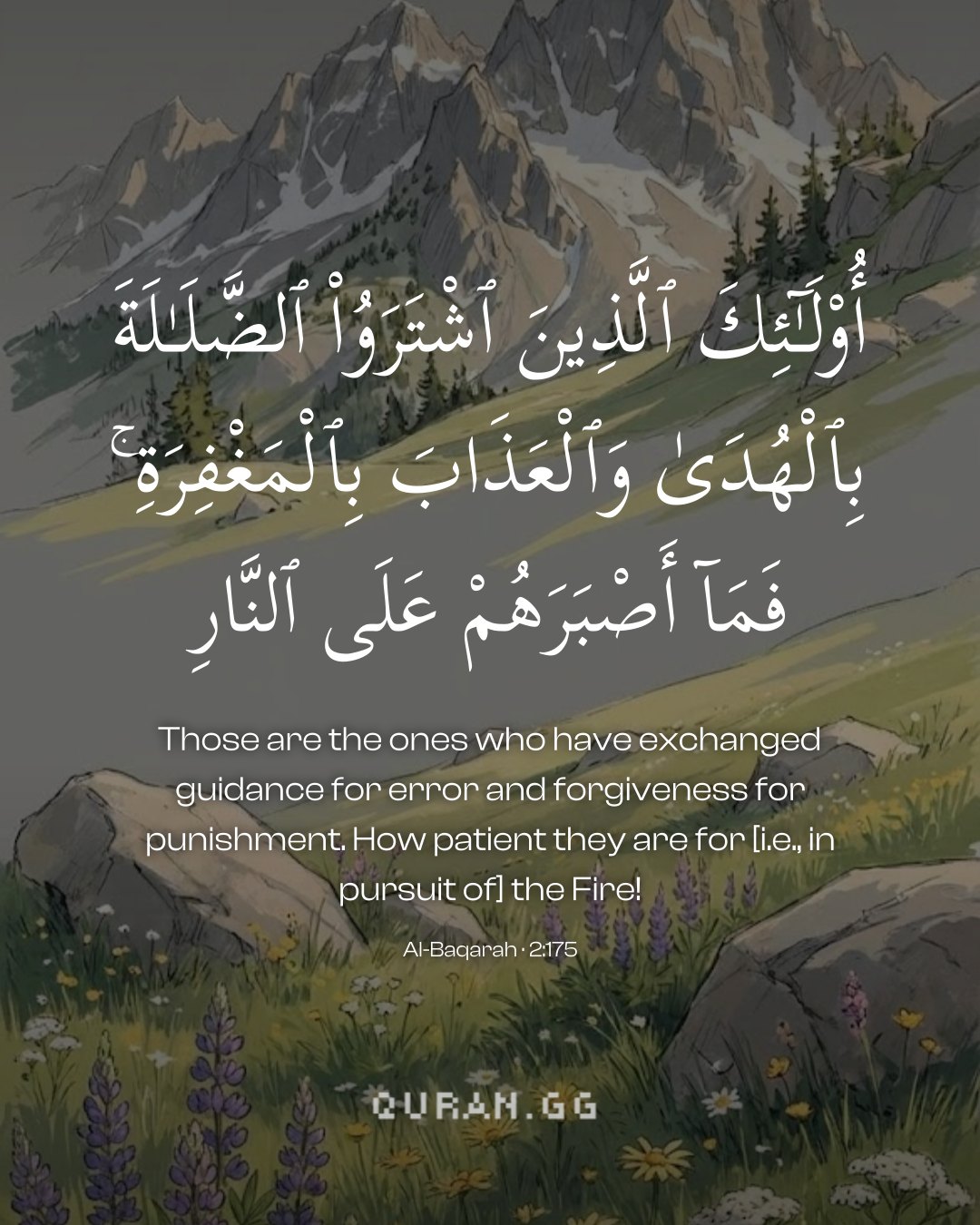
(Verily, those who conceal what Allah has sent down of the Book.) Meaning the Jews who concealed their Book's descriptions of Muhammad ﷺ, all of which testify to his truth as a Messenger and a Prophet. They concealed this information so that they would not lose authority and the position that they had with the Arabs, where they would bring them gifts, and honor them. The cursed Jews feared that if they announced what they know about Muhammad ﷺ, then the people would abandon them and follow him. So they hid the truth so that they may retain the little that they were getting, and they sold their souls for this little profit. They preferred the little that they gained over guidance and following the truth, believing in the Messenger and having faith in what Allah was sent him with. Therefore, they have profited failure and loss in this life and the Hereafter.
Mentioned in the earlier verses were unlawful things which are tangible. Now, the verses that follow take up the intangible deeds that have been made unlawful. These are evil deeds, inner and outer. For instance, religious scholars among the Jews were addicted to giving out false verdicts in favour of people who bribed them. They would go to the limit of distorting the verses of the Torah to suit the desire of their client. In this, there is a veiled warning given to the ` ulama', the religious scholars of the community of the Last of the prophets, that they should keep away from such practices and never fall short in disclosing the true injunctions of Allah for any material reason or vested interest of their own.
Human beings should feel thankful and obedient to God while eating food and drinking water. They should express themselves thus, ‘In accordance with God’s commandment, we are eating and drinking what God has provided us with.’ These emotions evoke in a man the feeling of true devotion to his Maker. But this psychological make-up changes in the case of self-styled beliefs. In that case man’s attention is diverted to the supposed properties of the things he consumes. Therefore, the same divine blessing which is meant to produce feelings of thanksgiving, evoke instead feelings of veneration for material objects. Under the influence of such false beliefs, man comes to accord the position of Creator to the created. If something is held unlawful by God, it is not owing to the sacredness of that thing but rather because it is something impure or the divine law has testified to its uncleanness, e.g. carrion, blood, swine or an animal sacrificed in the name of some idol instead of in the name of God. In cases of extreme necessity where a man’s life may be at stake, he may eat food otherwise forbidden, for instance when suffering extreme hunger and when no other food is available, or in illness, or other such circumstances as may compel him to do so. However, it is essential that such forbidden food should not be taken simply for the pleasure of the palate. That is, one must remain within the bare limits of necessity.
Uthmani text of the Madinah mushaf (King Fahd Complex). Translation: Saheeh International. Tafsir via Quran.com.