These are the attributes of the believing servants of Allah,
الَّذِينَ يَمْشُونَ عَلَى الاٌّرْضِ هَوْناً
(those who walk on the earth Hawna,) meaning that they walk with dignity and humility, not with arrogance and pride. This is like the Ayah:
وَلاَ تَمْشِ فِى الاٌّرْضِ مَرَحًا
(And walk not on the earth with conceit and arrogance...) (17:37). So these people do not walk with conceit or arrogance or pride. This does not mean that they should walk like sick people, making a show of their humility, for the leader of the sons of Adam (the Prophet) used to walk as if he was coming downhill, and as if the earth were folded up beneath him. What is meant here by Hawn is serenity and dignity, as the Messenger of Allah ﷺ said:
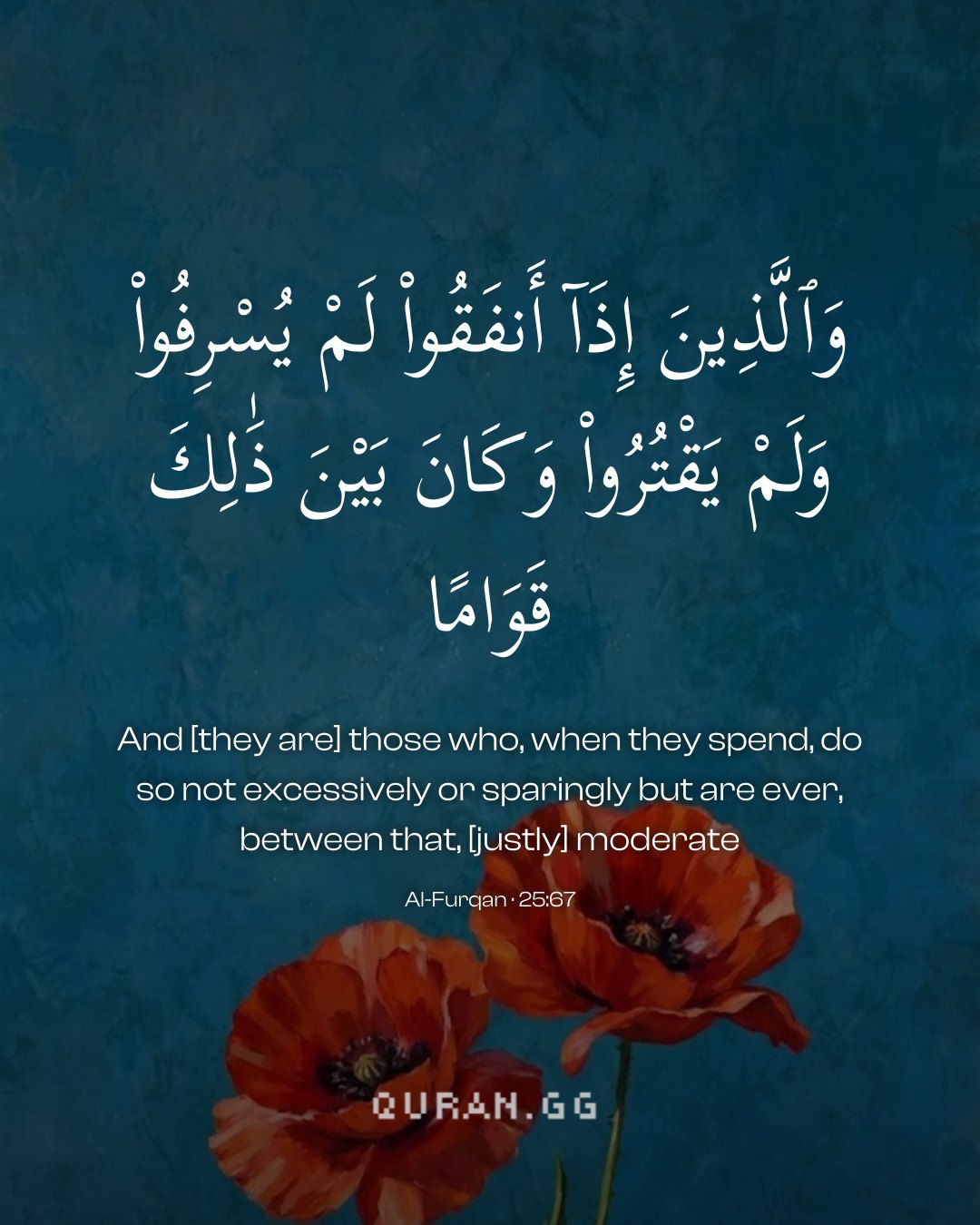
وَالَّذِينَ إِذَا أَنفَقُوا لَمْ يُسْرِفُوا وَلَمْ يَقْتُرُوا (and those who, when they spend, are neither extravagant nor miserly - 25:67). That is Allah's blessed servants are neither spendthrifts nor misers but they spend moderately. The words اسراف (israf, i.e. extravagance) and إقتَار (iqtar, i.e. miserliness) are used in the verse for the two opposite traits. Israf means to cross the limits. According to Sayyidna Ibn ` Abbas ؓ ، Mujahid, Qatadah and Ibn Juraij رحمۃ اللہ علیہم any spending on something sinful, however little it may be, is israf, while others say that even overspending in the rightful and allowed things which is wasteful would fall under the definition of israf. It is because any wasteful spending is by itself a sin and hence israf. Allah Ta’ ala has said إِنَّ الْمُبَذِّرِينَ كَانُوا إِخْوَانَ الشَّيَاطِينِ (Surely squanderers are brothers of Shaitan - 17:27). In this way the latter explanation is also covered in the explanation given by Sayyidna Ibn ` Abbas ؓ that is any spending on some sinful thing is اِسرَاف . (Mazhari)
اِقتَار (iqtar) means to spend with miserliness. In Islamic jurisprudence it means to be tight fisted where a believer is directed to spend. In case one does not spend at all at a place where he has been directed to spend, then that is the worst situation. This explanation is also given by Sayyidna Ibn ` Abbas ؓ ، Qatadah etc. (Mazhari) Therefore, the message of the verse is that Allah's blessed servants are neither spendthrifts nor misers but in the matter of spending they take the middle path.
There is a saying of the Holy Prophet ﷺ :
مِن فِقہِ الرَّجُلِ قَصدُہ ، فِی مَعِیشَتِہٖ
That is "It is the sagacity of man to adopt the middle path in spending" In another Saying quoted by
Sayyidna Abdullah Ibn Masud the Holy Prophet ﷺ said:
مَا عال من اقتصد
That is "The person who sticks to the middle path and moderation in spending will never become a destitute and poor". (Imam Ahmad - Ibn Kathir)
Tazkirul Quran
Maulana Wahiduddin Khan
A man’s way of walking symbolises his whole personality. Those in whose hearts belief in God has taken firm root, become the embodiment of humility and modesty. The fear of God takes away any sense of superiority they may have. This sense of servitude to God permeates all aspects of their lives. But this is not all. The realisation of God makes them (the believers) true advocates of His cause. In discharging this responsibility, they often face strong opposition from their addressees. The promulgation of the truth by the believers becomes unbearable to those who deny the truth and they take aggressive action against the preachers. But the fear of God prevents the believers from retaliating; they simply avoid conflict and pray for their opponents to be guided. The realization of God results not only in their calling upon God during the daytime but also in their nights being filled with the remembrance of God. Similarly, realisation of God makes them extremely prudent. They earn with a sense of responsibility and spend with a sense of responsibility. It is their sense of accountability to God which makes them moderate and cautious in the matter of income and expenditure. A tradition of the Prophet says, ‘Wisdom lies in man adopting the path of moderation.’
Uthmani text of the Madinah mushaf (King Fahd Complex). Translation: Saheeh International. Tafsir via Quran.com.