The meaning of worshipping Allah as it were upon the edge
Mujahid, Qatadah and others said:
عَلَى حَرْفٍ
(upon the edge) means, in doubt. Others said that it meant on the edge, such as on the edge or side of a mountain, i.e., (this person) enters Islam on the edge, and if he finds what he likes he will continue, otherwise he will leave. Al-Bukhari recorded that Ibn `Abbas said:
وَمِنَ النَّاسِ مَن يَعْبُدُ اللَّهَ عَلَى حَرْفٍ
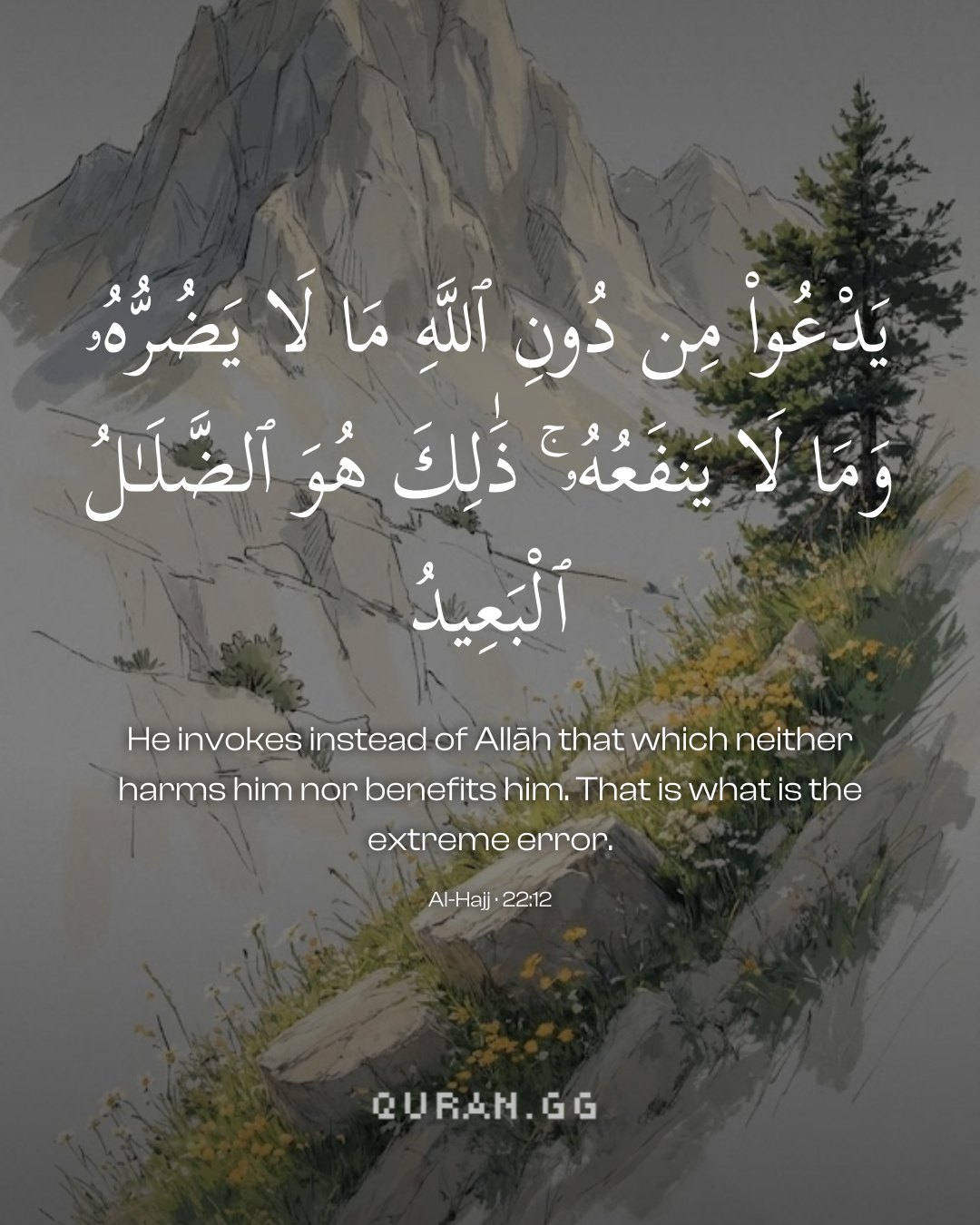
(And among mankind is he who worships Allah as it were upon the edge.) "People would come to Al-Madinah to declare their Islam and if their wives gave birth to sons and their mares gave birth to foals, they would say, `This is a good religion,' but if their wives and their mares did not give birth, they would say, `This is a bad religion."' Al-`Awfi reported that Ibn `Abbas said, "One of them would come to Al-Madinah, which was a land that was infected with a contagious disease. If he remained healthy there, and his mare foaled and his wife gave birth to a boy, he would be content, and would say, `I have not experienced anything but good since I started to follow this religion."
(And among men there is one who worships Allah (standing) on the verge - 22:11.) Bukhari and Ibn Abi Haim have related from Sayyidna Ibn ` Abbas ؓ that when the Holy Prophet ﷺ migrated to Madinah, people flocked to him and accepted the new religion. But there were some among them whose conversion to Islam was far from being genuine, and whose sole motive for their action was to seek self-advancement, and they lacked conviction. If, after becoming Muslims, favorable circumstances resulted in an increase in their prosperity and their children, they thought Islam was a very good religion, but they were equally ready to condemn it if things went against their personal interests. This verse was revealed to describe such people who were mere opportunists and were easily swayed either way depending on where their selfish interests lay.
Tazkirul Quran
Maulana Wahiduddin KhanOn ayahs 11–13
One who discovers Faith as the whole Truth, finds his heart and mind fully enveloped by his faith. He then surrenders himself to faith without any mental reservation. In his eyes, all other things assume a secondary place. Such an individual is a true believer in the eyes of God. There are others whose acceptance of faith is purely on the surface. Such people are interested only in their own personal gain. Under some superficial influence, they may attach themselves to faith, but this attachment lasts only so long as they do not suffer any loss due to this attachment, and their interests are not affected. The moment they feel that their interests and the True Faith cannot go together, they revert to their personal interest and discard faith. People of this second type are known as hypocrites. A hypocrite fails to succeed in the Hereafter as well as in this world, the reason being that he lacks the whole-hearted devotion which is a prerequisite for success either in this world or the life Hereafter. While a hypocrite is always deprived of this quality of the heart because of his dual orientation, he neither concentrates fully on the Hereafter nor on this world. Thus he is unable to pay the necessary price for either of the two. Such people become symbols of deprivation, both in this world and the Hereafter.
Uthmani text of the Madinah mushaf (King Fahd Complex). Translation: Saheeh International. Tafsir via Quran.com.