Tafsir Ibn Kathir (abridged)
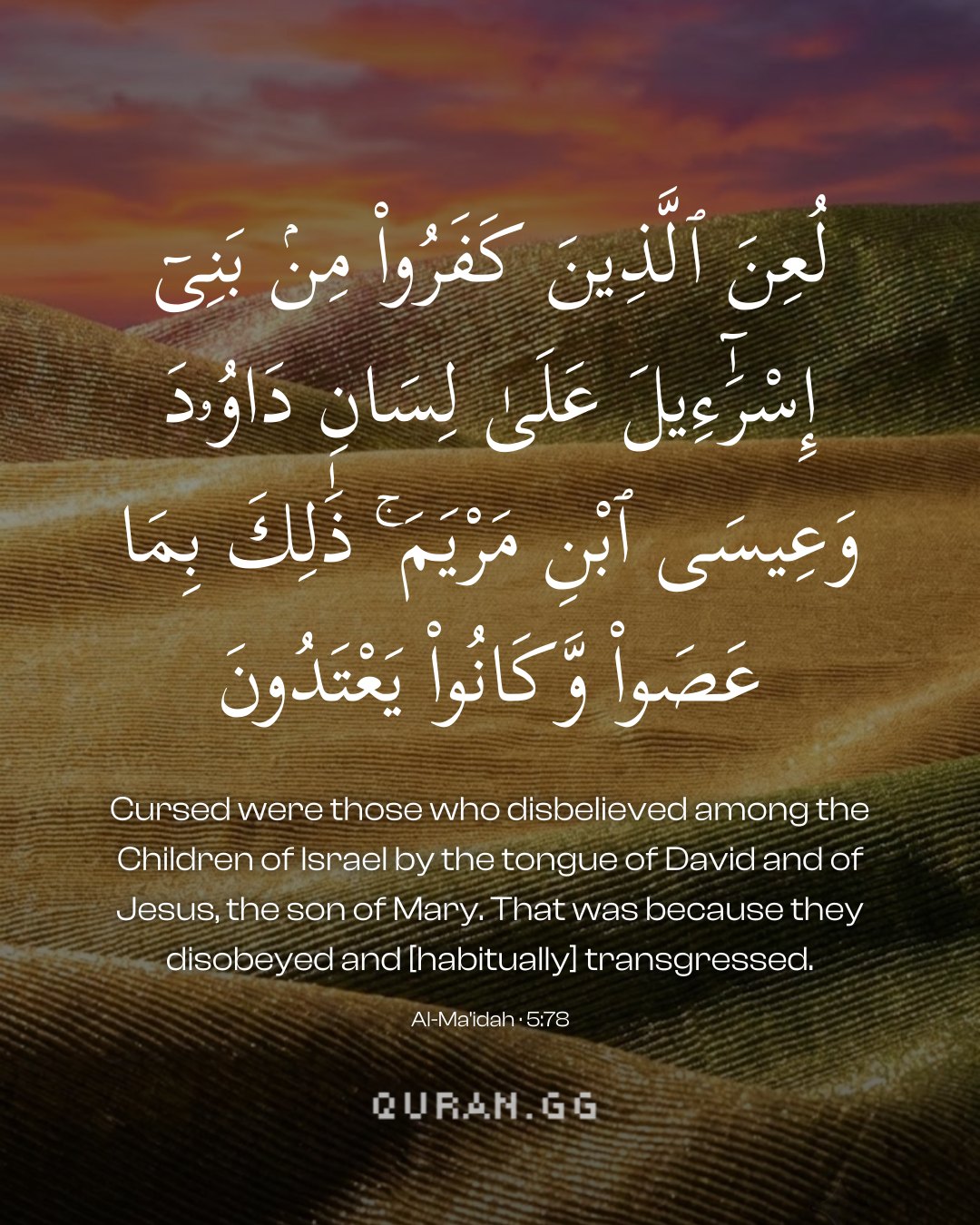
Allah Cursed the Disbelievers Among the Children of Israel
Allah states that He has cursed the disbelievers among the Children of Israel long ago, and revealed this fact to His Prophets Dawud and `Isa, son of Maryam. He cursed them because they disobeyed Allah and transgressed against His creatures. Al-`Awfi reported that Ibn `Abbas said, "They were cursed in the Tawrah, the Injil, the Zabur (Psalms) and the Furqan (Qur'an)." Allah then states that during their time, their habit was that,
كَانُواْ لاَ يَتَنَـهَوْنَ عَن مُّنكَرٍ فَعَلُوهُ
(They used not to forbid one another from the evil they committed.) They did not forbid each other from committing sins and the prohibitions. Allah chastised them for this behavior, so that their behavior would not be imitated. Allah said,
لَبِئْسَ مَا كَانُواْ يَفْعَلُونَ
(Vile indeed was what they used to do.)
Hadiths that Order Enjoining Righteousness and Forbidding Evil
There are many Hadiths that order enjoining righteousness and forbidding evil. Imam Ahmad recorded that Hudhayfah bin Al-Yaman said that the Prophet said,
«وَالَّذِي نَفْسِي بِيَدِهِ، لَتَأْمُرُنَّ بِالْمَعْرُوفِ، وَلَتَنْهَوُنَّ عَنِ الْمُنْكَرِ، أَوْ لَيُوشِكَنَّ اللهُ أَنْ يَبْعَثَ عَلَيْكُمْ عِقَابًا مِنْ عِنْدِهِ، ثُمَّ لَتَدْعُنَّهُ فَلَا يَسْتَجِيبَ لَكُم»
(By He in Whose Hand is my soul! You will enjoin righteousness and forbid evil, or Allah will send a punishment on you from Him. Then, you will supplicate to Him, but He will not accept your supplication.) At-Tirmidhi also recorded it and said, "This Hadith is Hasan." Muslim recorded that Abu Sa`id Al-Khudri said that the Messenger of Allah ﷺ said,
«مَنْ رَأَى مِنْكُمْ مُنْكَرًا فَلْيُغَيِّرْهُ بِيَدِهِ، فَإِنْ لَمْ يَسْتَطِعْ فَبِلِسَانِهِ، فَإِنْ لَمْ يَسْتَطِعْ فَبِقَلْبِهِ، وَذلِكَ أَضْعَفُ الْإِيمَان»
(He among you who witnesses an evil, let him change it with his hand, if he cannot do that, then by his tongue, if he cannot do even that, then with his heart, and this is the weakest faith.) Abu Dawud said that Al-`Urs, meaning Ibn `Amirah, said that the Prophet said,
«إِذَا عُمِلَتِ الْخَطِيئَةُ فِي الْأَرْضِ كَانَ مَنْ شَهِدَهَا فَكَرِهَهَا، وَقَالَ مَرَّةً فَأَنْكَرَهَا كَانَ كَمَنْ غَابَ عَنْهَا، وَمَنْ غَابَ عَنْهَا فَرَضِيَهَا كَانَ كَمَنْ شَهِدَهَا»
(When sin is committed on the earth, then whoever witnesses it and hates - (once he said): forbids it, will be like those who did not witness it. Whoever was absent from it, but agreed with it, will be like those who witness it.) Only Abu Dawud recorded this Hadith. Abu Dawud recorded that one of the Companions said that the Prophet said,
«لَنْ يَهْلِكَ النَّاسُ حَتَّى يَعْذِرُوا أَوْ يُعْذِرُوا مِنْ أَنْفُسِهِم»
(The people will not perish until they do not leave -or- have any excuse for themselves.) Ibn Majah recorded that Abu Sa`id Al-Khudri said that the Messenger of Allah ﷺ gave a speech once and said,
«أَلَا لَا يَمْنَعَنَّ رَجُلًا هَيْبَةُ النَّاسِ أَنْ يَقُولَ الْحَقَّ إِذَا عَلِمَه»
(Behold! Fear from people should not prevent one from saying the truth if he knows it.) Abu Sa`id then cried and said, "By Allah! We have seen some errors, but we feared (the people)." Another Hadith that Abu Sa`id narrated states that the Messenger of Allah ﷺ said,
«أَفْضَلُ الْجِهَادِ كَلِمَةُ حَقَ عِنْدَ سُلْطَانٍ جَائِر»
(The best Jihad is a word of truth proclaimed before an unjust ruler.) Recorded by Abu Dawud, At-Tirmidhi, and Ibn Majah. At-Tirmidhi said, "Hasan Gharib from this route of narration." Imam Ahmad recorded that Hudhayfah said that the Prophet said,
«لَا يَنْبَغِي لِمُسْلِمٍ أَنْ يُذِلَّ نَفْسَه»
(It is not required of the Muslim that he humiliate himself.) They said, `How does one humiliate himself" he said;
«يَتَعَرَّضُ مِنَ الْبَلَاءِ لِمَا لَا يُطِيق»
(He takes on trials that he is not capable of enduring. ) This was recorded by At-Tirmidhi and Ibn Majah, and At-Tirmidhi said, "This Hadith is Hasan Sahih Gharib."
Censuring the Hypocrites
Allah said,
تَرَى كَثِيراً مِّنْهُمْ يَتَوَلَّوْنَ الَّذِينَ كَفَرُواْ
(You see many of them taking the disbelievers as their friends.) Mujahid said that this Ayah refers to the hypocrites. Allah's statement,
لَبِئْسَ مَا قَدَّمَتْ لَهُمْ أَنفُسُهُمْ
(Evil indeed is that which they have sent forward before themselves;) by giving their loyalty and support to the disbelievers, instead of the believers. This evil act caused them to have hypocrisy in their hearts and brought them the anger of Allah, that will remain with them until the Day of Return. Allah said;
أَن سَخِطَ اللَّهُ عَلَيْهِمْ
(for that (reason) Allah is wrath with them) because of what they did. Allah next said that,
وَفِى الْعَذَابِ هُمْ خَـلِدُونَ
(in torment they will abide) on the Day of Resurrection. Allah's statement,
وَلَوْ كَانُوا يُؤْمِنُونَ بِالْلهِ والنَّبِىِّ وَمَا أُنْزِلَ إِلَيْهِ مَا اتَّخَذُوهُمْ أَوْلِيَآءَ
(And had they believed in Allah, and in the Prophet and in what has been revealed to him, never would they have taken them as friends.) meaning, had they sincerely believed in Allah, His Messenger and the Qur'an, they would not have committed the evil act of supporting the disbelievers in secret and being enemies with those who believe in Allah, the Prophet and what was revealed to him,
وَلَـكِنَّ كَثِيراً مِّنْهُمْ فَـسِقُونَ
(but many of them are rebellious). disobedient to Allah and His Messenger and defiant of the Ayat of His revelation that He sent down.
لَتَجِدَنَّ أَشَدَّ النَّاسِ عَدَاوَةً لِّلَّذِينَ ءَامَنُواْ الْيَهُودَ وَالَّذِينَ أَشْرَكُواْ وَلَتَجِدَنَّ أَقْرَبَهُمْ مَّوَدَّةً لِّلَّذِينَ ءَامَنُواْ الَّذِينَ قَالُواْ إِنَّا نَصَارَى ذلِكَ بِأَنَّ مِنْهُمْ قِسِّيسِينَ وَرُهْبَاناً وَأَنَّهُمْ لاَ يَسْتَكْبِرُونَ