(but they humbled not themselves to their Lord, nor did they invoke with submission to Him.) means, that did not deter them from their disbelief and resistance, rather they persisted in their sin and misguidance,
فَمَا اسْتَكَانُواْ
(but they humbled not themselves)
وَمَا يَتَضَرَّعُونَ
(nor did they invoke (Allah) with submission to Him. ) they did not call on Him. This is like the Ayah:
And We have already seized them with punishment, but they did not turn humble to their Lord, nor do they supplicate in humility. (23:76)
In the preceding verse it has been stated that when the unbelievers are subjected to chastisement for their sins, they plead to Allah and the Holy Prophet ﷺ for mercy and when Allah who is Merciful relieves their suffering, they return to their evil practices and wicked deeds. This verse relates a similar instance when the unbelievers were punished for their misdeeds. However when they were delivered from their sufferings as a result of the intercession by the Holy Prophet ﷺ on their behalf, they did not humble themselves before Allah but persisted in idolatry and unbelief.
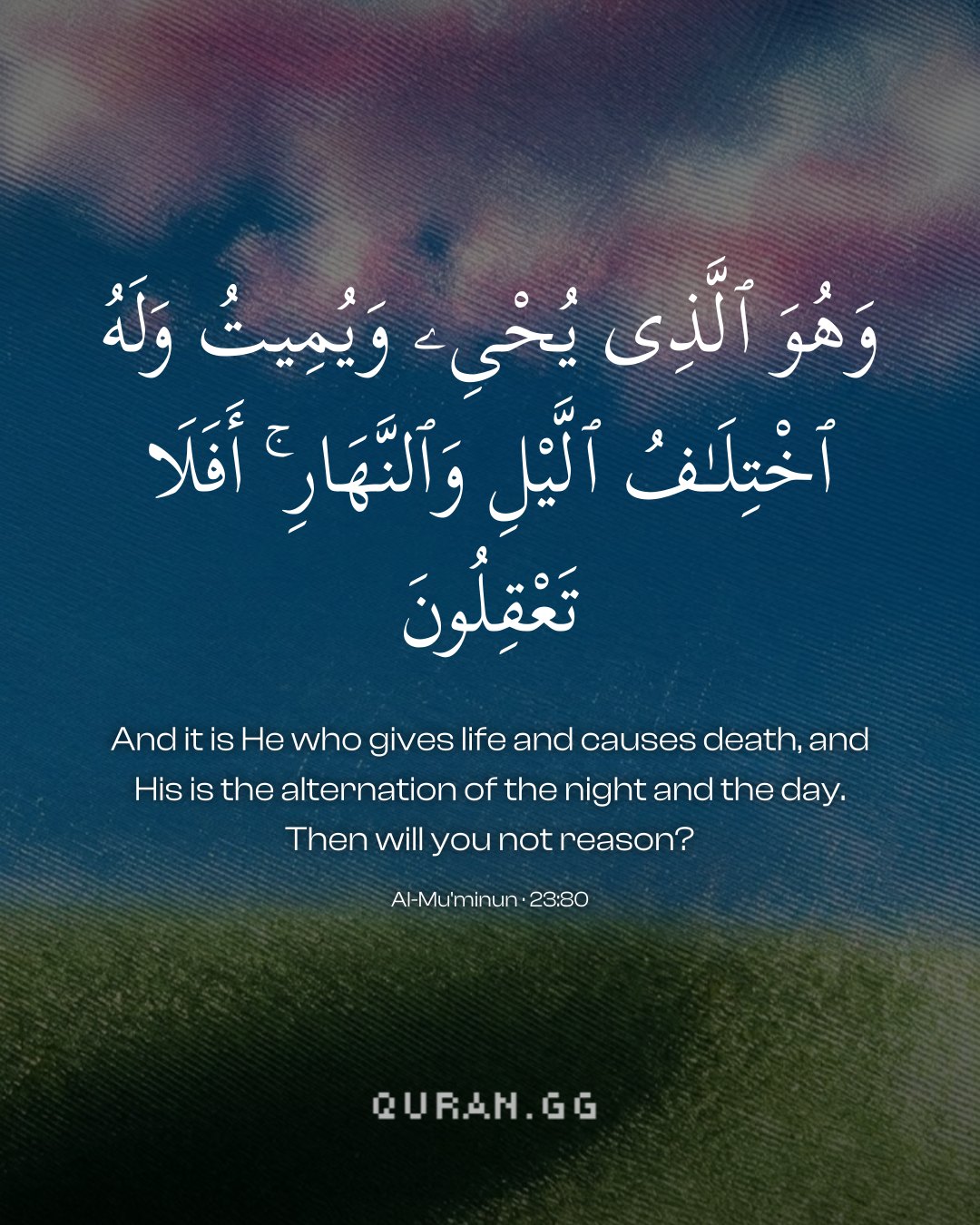
In this universe the human being is a special creation who has been endowed with the exceptional powers of sight, hearing and thought. These capacities have been given to man for the special purpose of understanding the reality of life. He should use his ears to hear the voice of Truth. With his eyes he should recognise the signs of God that are spread around him and he should use his thinking powers to discover the Creator in His creations. Doing so amounts to being thankful to God and those who do not give evidence of such thankfulness in this world risk losing their entitlement to these gifts forever. Among the attributes of God that are prominently visible in this world are His powers to create a life, to take it and revive it again (as in the case of a barren land). In the hereafter, God will assemble the entire mankind before Him. That Day, He will remove the veil of ignorance and the reality will stand fully revealed.
Uthmani text of the Madinah mushaf (King Fahd Complex). Translation: Saheeh International. Tafsir via Quran.com.