The Importance of not being too concerned with the Matters of the Worldly Life, and being Charitable
Allah the Exalted orders His faithful servants to remember Him frequently and to refrain from being distracted from His remembrance by indulging in their properties and children excessively. Allah informs them that those who engage in this life, its delights and attributes and were busied from the obedience and remembrance of Allah, for which they were created, will be among the losers. They will lose themselves and their families on the Day of Resurrection. Allah encourages the believers to spend in His cause,
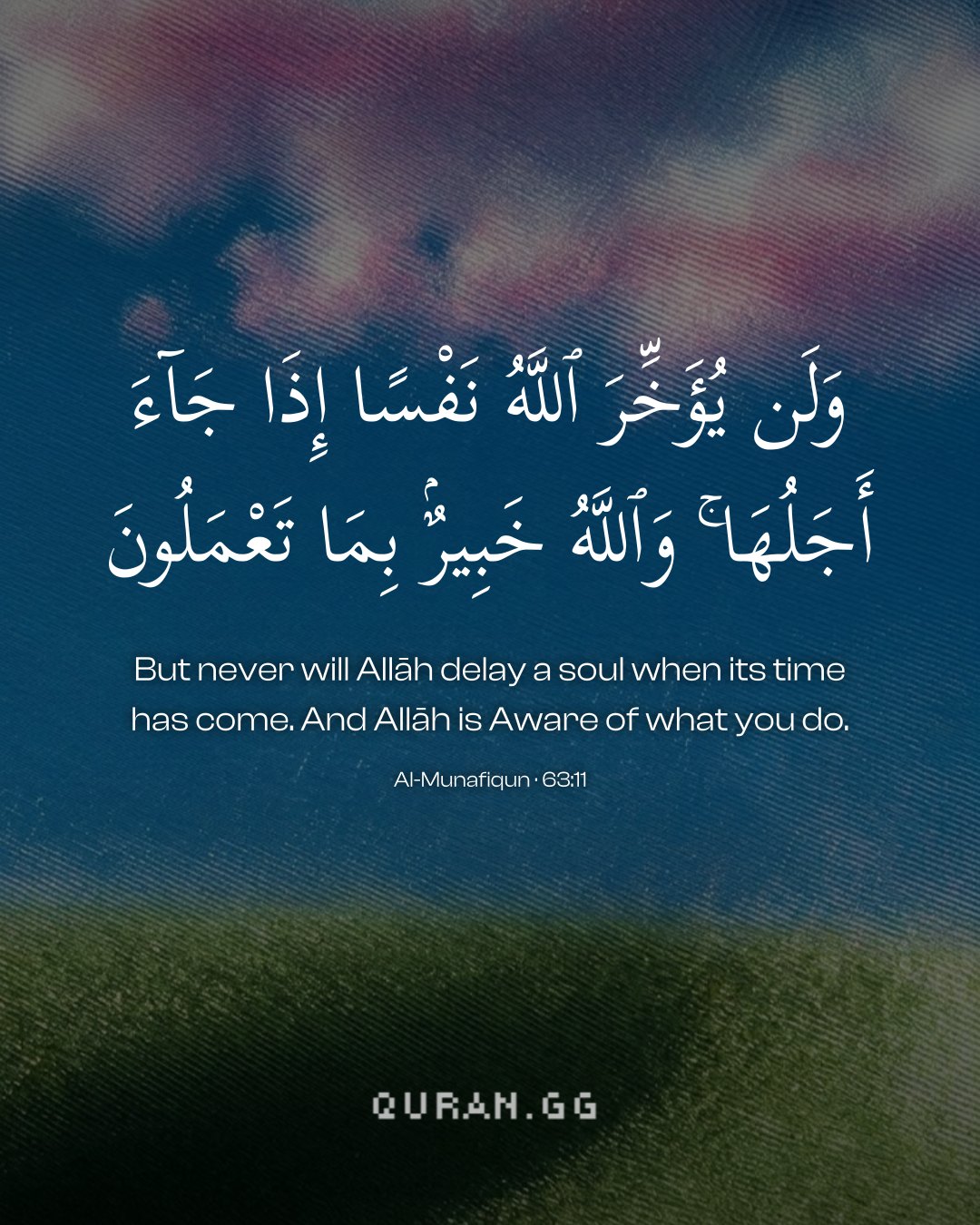
وَأَنفِقُوا مِن مَّا رَزَقْنَاكُم مِّن قَبْلِ أَن يَأْتِيَ أَحَدَكُمُ الْمَوْتُ (And spend out of what We have given to you before death comes to one of you…63:10) ‘Coming of death’ in this verse refers to ‘witnessing the signs of death’. The verse exhorts the believers to make the best of their opportunities to spend in the way of Allah, in the state of good health and strength, before the signs of death appear, and thus they should have their degrees of rank elevated in the Hereafter. Once death overtakes them the opportunity to spend will be lost, and the wealth will be of no use. Earlier on it was learned that the word dhikr (remembrance of Allah) refers to all forms of obedience and following the dictates of Shari’ ah, which include spending wealth as due. Despite that, spending wealth as due. Despite that, spending wealth on this occasion has been mentioned separately. There may be two reasons for it: Firstly, one of the major objects that divert man from acting upon the sacred laws of shari’ ah is wealth. Therefore, spending wealth, in the form of Zakah, ‘Ushr, Hajj and so on, is specifically mentioned. Secondly, when a person sees the signs of death, it is not in his power to perform his missed prayers, or his missed Hajj, Ramadhan fasts. However, the wealth is in front of him, and he is sure that soon it will slip out of his hand. So he may spend the wealth to compensate his shortfalls in worship and so attain salvation from such shortcomings. Furthermore, charity [ sadaqah ] is efficacious in averting calamities and punishment.
The biggest problem for a man is the inevitability of the Hereafter. But the consideration of riches and children make a man unmindful of it. Man should know that riches and children are not the final goal but the blessings which are given to him so that he may utilise them for God’s work. He should therefore use them to improve his life in the Hereafter. But man, in his stupidity, takes them to be his goal. When such people come face to face with their eventual final fate, they will experience only frustration and regret.
Uthmani text of the Madinah mushaf (King Fahd Complex). Translation: Saheeh International. Tafsir via Quran.com.