Tafsir Ibn Kathir (abridged)
Our Prophet was sent to recite and call to Allah's Revelation
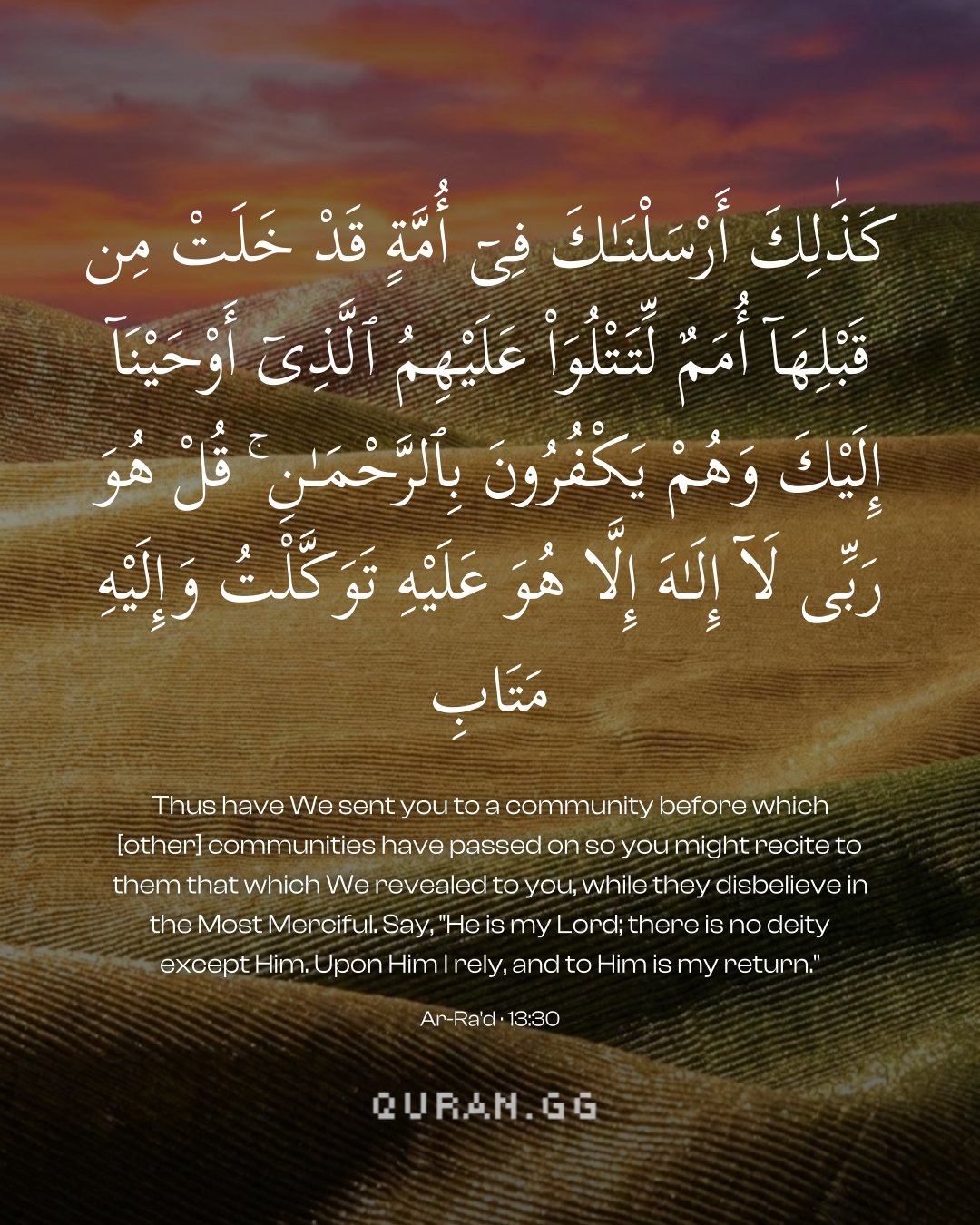
Allah says, `Just as We sent you, O Muhammad, to your Ummah,
لِّتَتْلُوَ عَلَيْهِمُ الَّذِى أَوْحَيْنَآ إِلَيْكَ
(..in order that you might recite unto them what We have revealed to you,) so that you deliver to them Allah's Message. Likewise, We sent others to earlier nations that disbelieved in Allah. The Messengers whom We sent before you, were also denied and rejected, so you have an example in what they faced. And since We sent Our torment and revenge on those people, then let these people fear what will strike them, for their denial of you is harsher than the denial that the previous Messengers faced,'
تَاللَّهِ لَقَدْ أَرْسَلْنَآ إِلَى أُمَمٍ مِّن قَبْلِكَ
(By Allah, We indeed sent (Messengers) to the nations before you.)16-63 Allah said in another Ayah,
وَلَقَدْ كُذِّبَتْ رُسُلٌ مِّن قَبْلِكَ فَصَبَرُواْ عَلَى مَا كُذِّبُواْ وَأُوذُواْ حَتَّى أَتَـهُمْ نَصْرُنَا وَلاَ مُبَدِّلَ لِكَلِمَـتِ اللَّهِ وَلَقدْ جَآءَكَ مِن نَّبَإِ الْمُرْسَلِينَ
(Verily, many Messengers were denied before you, with patience they bore the denial and suffering until; till Our help reached them, and none can alter the Words (decree) of Allah. Surely, there has reached you the information (news) about the Messengers (before you).)6-34, meaning, `How We gave them victory and granted the best end for them and their followers in this life and the Hereafter. ' Allah said next,
وَهُمْ يَكْفُرُونَ بِالرَّحْمَـنِ
(while they disbelieve in the Most Gracious (Allah).) Allah says, `These people, that We sent you to, disbelieve in the Most Gracious and deny Him, because they dislike describing Allah by Ar-Rahman Ar-Rahim the Most Gracious, Most Merciful.' This is why on the day of Al-Hudaybiyyah, as Al-Bukhari narrated, they refused to write, "In the Name of Allah, Ar-Rahman Ar-Rahim," saying, "We do not know Ar-Rahman Ar-Rahim!" Qatadah narrated this words. Allah the Exalted said,
قُلِ ادْعُواْ اللَّهَ أَوِ ادْعُواْ الرَّحْمَـنَ أَيًّا مَّا تَدْعُواْ فَلَهُ الاٌّسْمَآءَ الْحُسْنَى
(Say: "Invoke Allah or invoke the Most Gracious (Allah), by whatever name you invoke Him, for to Him belong the Best Names.) 17:110 In his Sahih, Imam Muslim recorded that `Abdullah bin `Umar said that the Messenger of Allah ﷺ said,
«إِنَّ أَحَبَّ الْأَسْمَاءِ إِلَى اللهِ تَعَالَى عَبْدُاللهِ وَعَبْدُ الرَّحْمَن»
(The most beloved names to Allah the Exalted are: `Abdullah and `Abdur-Rahman.)Allah said next,
قُلْ هُوَ رَبِّى لا إِلَـهَ إِلاَّ هُوَ
(Say: "He is my Lord! None has the right to be worshipped but He!") meaning: for I believe in Allah in Whom you disbelieve and affirm His Divinity and Lordship. He is my Lord, there is no deity worthy of worship except Him,
عَلَيْهِ تَوَكَّلْتُ
(In Him is my trust,) in all of my affairs,
وَإِلَيْهِ مَتَابِ
(and to Him I turn.) meaning: to Him I return and repent, for He alone is worthy of all this and none else besides Him.
وَلَوْ أَنَّ قُرْآنًا سُيِّرَتْ بِهِ الْجِبَالُ أَوْ قُطِّعَتْ بِهِ الاٌّرْضُ أَوْ كُلِّمَ بِهِ الْمَوْتَى بَل للَّهِ الاٌّمْرُ جَمِيعًا أَفَلَمْ يَاْيْـَسِ الَّذِينَ ءَامَنُواْ أَن لَّوْ يَشَآءُ اللَّهُ لَهَدَى النَّاسَ جَمِيعًا وَلاَ يَزَالُ الَّذِينَ كَفَرُواْ تُصِيبُهُم بِمَا صَنَعُواْ قَارِعَةٌ أَوْ تَحُلُّ قَرِيبًا مِّن دَارِهِمْ حَتَّى يَأْتِىَ وَعْدُ اللَّهِ إِنَّ اللَّهَ لاَ يُخْلِفُ الْمِيعَادَ