Tafsir Ibn Kathir (abridged)
The Punishment of the Doomed
The description of the state of the blessed is followed by a description of the state of the doomed.
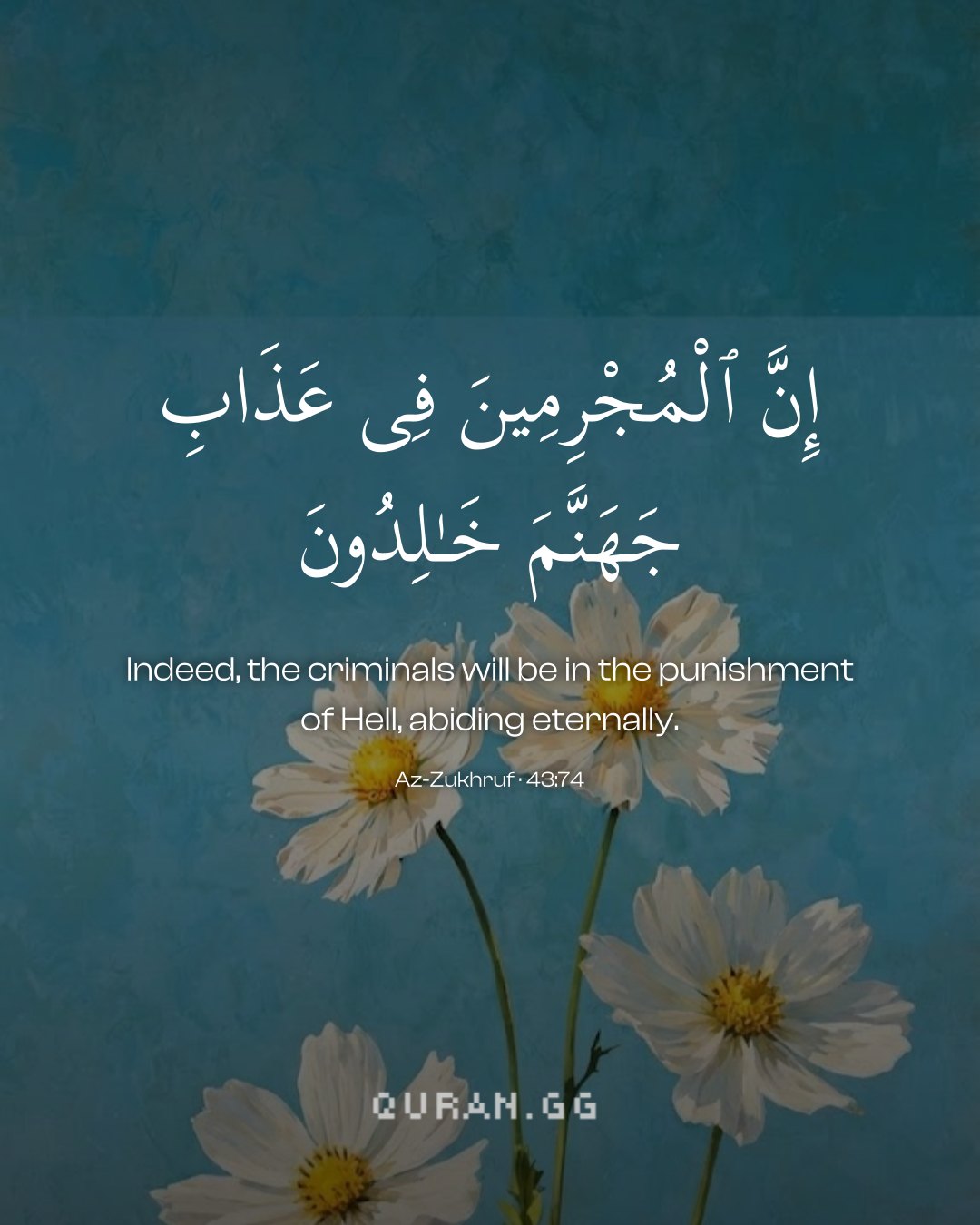
إِنَّ الْمُجْرِمِينَ فِى عَذَابِ جَهَنَّمَ خَـلِدُونَ لاَ يُفَتَّرُ عَنْهُمْ
(Verily, the criminals will be in the torment of Hell to abide therein forever. It will not be lightened for them,) meaning, not even for one moment.
وَهُمْ فِيهِ مُبْلِسُونَ
(and they will be plunged into destruction with deep regrets, sorrows and in despair therein,) means, they will despair of any goodness.
وَمَا ظَلَمْنَـهُمْ وَلَـكِن كَانُواْ هُمُ الظَّـلِمِينَ
(We wronged them not, but they were the wrongdoers.) means, by their committing wrong actions after proof had been established against them and Messengers had been sent to them, but they rejected them and rebelled, so they are to be punished accordingly. And your Lord is not at all unjust to (His) servants.
وَنَادَوْاْ يمَـلِكُ
(And they will cry: "O Malik...") who is the keeper of Hell. Al-Bukhari said, "Hajjaj bin Minhal told us, Sufyan bin `Uyaynah told us, from `Amr bin `Ata, ' from Safwan bin Ya`la that his father, may Allah be pleased with him, said, `I heard the Messenger of Allah ﷺ reciting on the Minbar:
وَنَادَوْاْ يمَـلِكُ لِيَقْضِ عَلَيْنَا رَبُّكَ
(And they will cry: "O Malik! Let your Lord make an end of us.") meaning, `let Him destroy our souls and give us some respite from our predicament.' But it will be as Allah says:
لاَ يُقْضَى عَلَيْهِمْ فَيَمُوتُواْ وَلاَ يُخَفَّفُ عَنْهُمْ مِّنْ عَذَابِهَا
(Neither will it have a complete killing effect on them so that they die nor shall its torment be lightened for them) (35:36).
وَيَتَجَنَّبُهَا الاٌّشْقَى - الَّذِى يَصْلَى النَّارَ الْكُبْرَى - ثُمَّ لاَ يَمُوتُ فِيهَا وَلاَ يَحْيَا
(But it will be avoided by the wretched, who will enter the great Fire. There he will neither die (to be in rest) nor live (a good living).) (87:11-13). When they ask to be allowed to die, Malik will answer them:
قَالَ إِنَّكُمْ مَّـكِثُونَ
He will say: Verily, you shall abide forever. meaning, you will have no way out from it and no refuge. Then the reason why they are doomed will be given, which is their stubborn resistance to the truth. Allah says:
لَقَدْ جِئْنَـكُم بِالْحَقِّ
(Indeed We have brought the truth to you, ) meaning, `We have explained it to you clearly and in detail.'
وَلَـكِنَّ أَكْثَرَكُمْ لِلْحَقِّ كَـرِهُونَ
(but most of you have a hatred for the truth.) means, `but your nature could not accept it and did not seek it; on the contrary, you followed and venerated falsehood, and you stood in the way of truth and refused it, and despised its followers.' So they will blame themselves and will feel regret at the time when regret will not be of any benefit to them. Then Allah says:
أَمْ أَبْرَمُواْ أَمْراً فَإِنَّا مُبْرِمُونَ
(Or have they plotted some plan Then We too are planning.) Mujahid said, "They wanted to plot some evil, but We are also planning." What Mujahid said is like the Ayah:
وَمَكَرُواْ مَكْراً وَمَكَرْنَا مَكْراً وَهُمْ لاَ يَشْعُرُونَ
(So they plotted a plot, and We planned a plan, while they perceived not.) (27:50). The idolators were trying their utmost to find ways of refuting the truth with falsehood, but Allah planned it so that the consequences of that would backfire on them. He said in refutation:
أَمْ يَحْسَبُونَ أَنَّا لاَ نَسْمَعُ سِرَّهُمْ وَنَجْوَهُم
(Or do they think that We hear not their secrets and their private counsel) meaning, what they say secretly and openly.
بَلَى وَرُسُلُنَا لَدَيْهِمْ يَكْتُبُونَ
(Yes (We do) and Our messengers are by them, to record.) means, `We know what they are doing, and the angels are also recording their deeds, major and minor.'
قُلْ إِن كَانَ لِلرَّحْمَـنِ وَلَدٌ فَأَنَاْ أَوَّلُ الْعَـبِدِينَ
سُبْحَـنَ رَبّ السَّمَـوتِ وَالاْرْضِ رَبّ الْعَرْشِ عَمَّا يَصِفُونَ- فَذَرْهُمْ يَخُوضُواْ وَيَلْعَبُواْ حَتَّى يُلَـقُواْ يَوْمَهُمُ الَّذِى يُوعَدُونَ- وَهُوَ الَّذِى فِى السَّمآء إِلَـهٌ وَفِى الاْرْضِ إِلَـهٌ وَهُوَ الْحَكِيمُ الْعَلِيمُ-