(Allah has sent down the Best Statement, a Book, its parts resembling each other (and) oft-repeated. The skins of those who fear their Lord shiver from it. Then their skin and their heart soften to the remembrance of Allah) (39:23). He connect that with mention of the doomed, those who turn away from the Qur'an and do not benefit from hearing the Words of Allah. Instead, they turn to listening to flutes and singing accompanied by musical instruments. As Ibn Mas`ud commented about the Ayah:
The words: يُؤْتُونَ الزَّكَاةَ (pay Zakah) in Verse 4 carry the injunction of Zakah, although the verse is Makki. This tells us that the original injunction of Zakah had already been revealed before Hijrah, right there in Makkah al-Mu` azzamah. As for the popular assumption that the injunction of Zakah was enforced in the second year of Hijrah, it refers to the arrangement of fixing its nisab (threshold), providing details of obligatory amount to be paid, collecting and disbursing it on authorized heads by the Islamic government. This was done in the second year of Hijrah.
Ibn Kathir while commenting on verse 20 of Surah Al-Muzzammil: وَأَقِيمُوا الصَّلَاةَ وَآتُوا الزَّكَاةَ (Establish Salah and pay Zakah - 73:20) has arrived at the same conclusion, because Surah Al-Muzzammil as one of the Makki surahs was revealed during the very initial period of the revelation of the Qur'an. This tells us that the way Salah and Zakah have been described mostly side by side in the verses of the Qur'an, its obligation had also taken effect side by side. Allah knows best.
Tazkirul Quran
Maulana Wahiduddin KhanOn ayahs 5–8
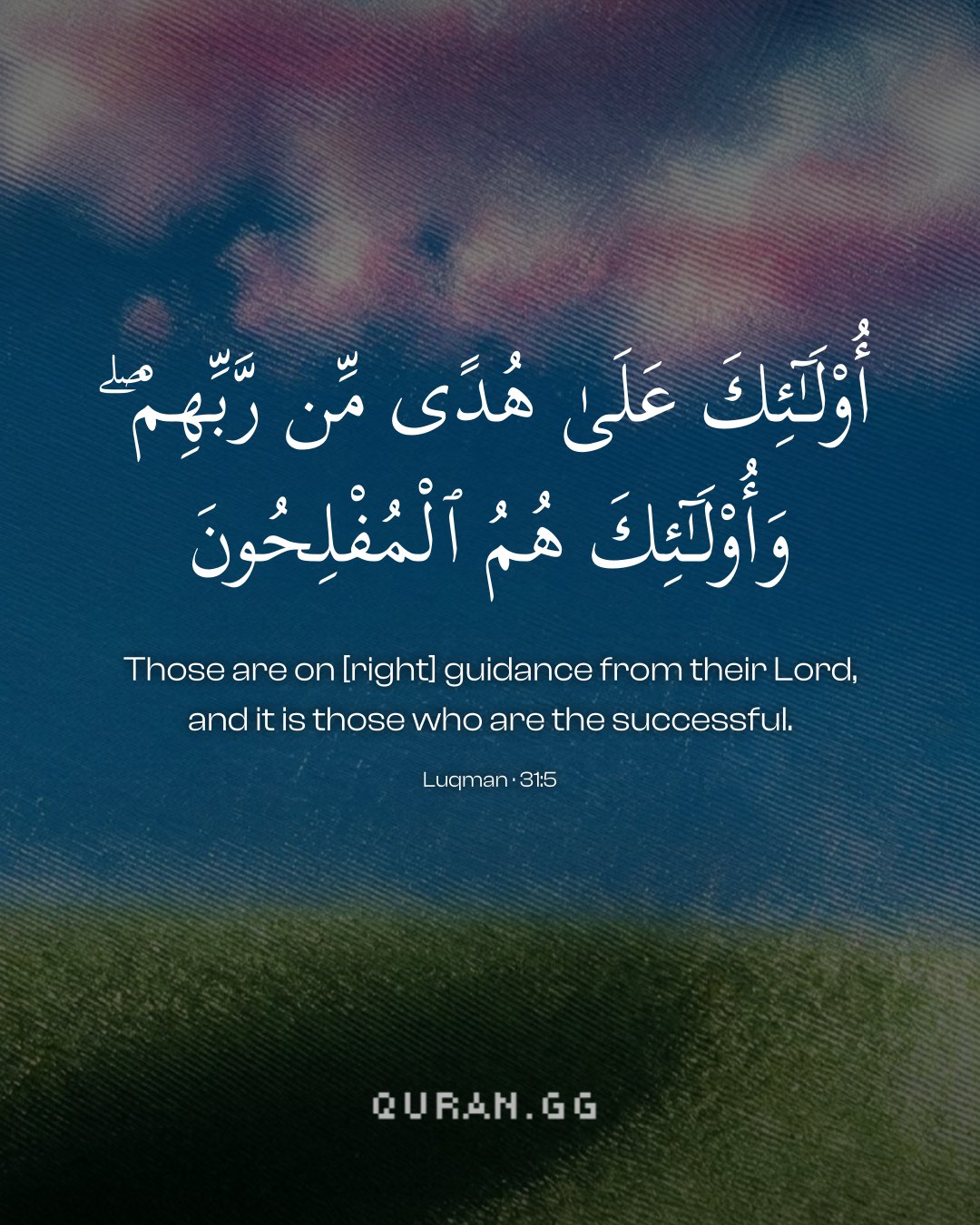
In this world, the criterion of the proper performance of a task (ihsan) is that it should be in accordance with the facts. From this point of view, one who carries out a task in this way is one who admits the reality (muhsin); his actions become a manifestation of his spirit of submission. Those who have it in their nature to mould themselves according to the factual position, are those who, when the Truth presents itself to them, accept it without suffering from any psychological complications. They immediately start fulfilling its practical requirements—they become regular offerers of prayers (salat), which is symbolic of fulfilling God’s will. They give prescribed alms (zakat), which amounts to honouring the rights of God’s subjects in the economic sphere. They shun the worship of worldly achievements and begin to think fondly of the Hereafter, because they know that the place where the question of success or failure shall finally be decided is nowhere other than the Hereafter.
Uthmani text of the Madinah mushaf (King Fahd Complex). Translation: Saheeh International. Tafsir via Quran.com.