(They will say: "Woe to us! Who has raised us up from our place of sleep.") meaning, their graves, which in this world they thought they would never be raised from. When they see with their own eyes that in which they had disbelieved,
In verse 52, it was said: قَالُوا يَا وَيْلَنَا مَن بَعَثَنَا مِن مَّرْقَدِنَا (They will say, "Woe to us! Who has raised us from our sleeping place?" ). Though the disbelievers were already having their punishment in their graves with no sign of any relief, yet this punishment will appear as nothing when compared with the punishing circumstances of the day of Qiyamah, therefore, they will cry out as to why they had to be taken out of their graves, for it would have been better if they had stayed right there. A response to this will come from either the angels or the common believers.
This response appears immediately next in verse 52: هَـٰذَا مَا وَعَدَ الرَّحْمَـٰنُ وَصَدَقَ الْمُرْسَلُونَ ("This is what the Rahman had promised, and the messengers had told the truth.) - to which they paid no attention. At this place, a choice has been made in using the word: رَّحْمَـٰنُ (Rahman: The Most Merciful) out of the many attributes of Allah. It serves as an indicator - as for Him, He had already made elaborate arrangements, in His mercy, that you remain safe from this punishment, and that His act of alerting you in advance through His promise and through His Books and Prophets was, in fact, but a dictate of His attribute of mercy.
Tazkirul Quran
Maulana Wahiduddin KhanOn ayahs 53–57
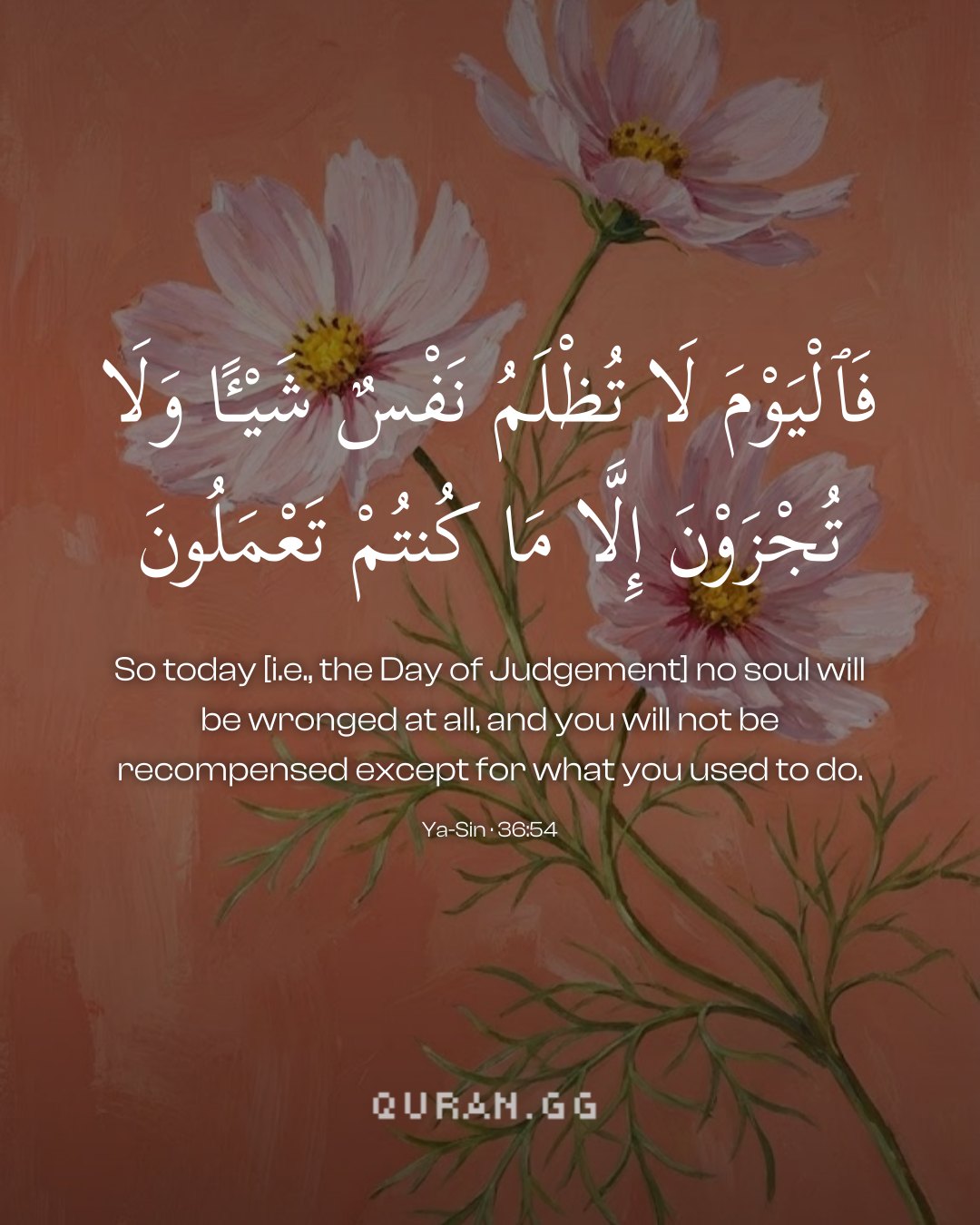
Those who do not believe in the Hereafter pay scant attention to it and remain heedless of it as if it were a faraway thing. Among them, those who are of a frivolous nature will even go to the extent of mocking the concept of the Hereafter. People such as these will remain reckless until the arrival of Doomsday. Then Doomsday will seize them suddenly and in such a way that they will be unable to save themselves. It has been recorded in the Hadith that the Angel Israfil is looking towards the throne (‘arsh) of God with the trumpet (sur) to his mouth awaiting His orders, ready to carry out the command instantly. The blowing of the trumpet will be like the ringing of a bell which signals the end of the examination. Immediately thereafter, the system of the world will change: the stage of the appearance of results will commence, leaving behind the stage of actions (the present world).
Uthmani text of the Madinah mushaf (King Fahd Complex). Translation: Saheeh International. Tafsir via Quran.com.