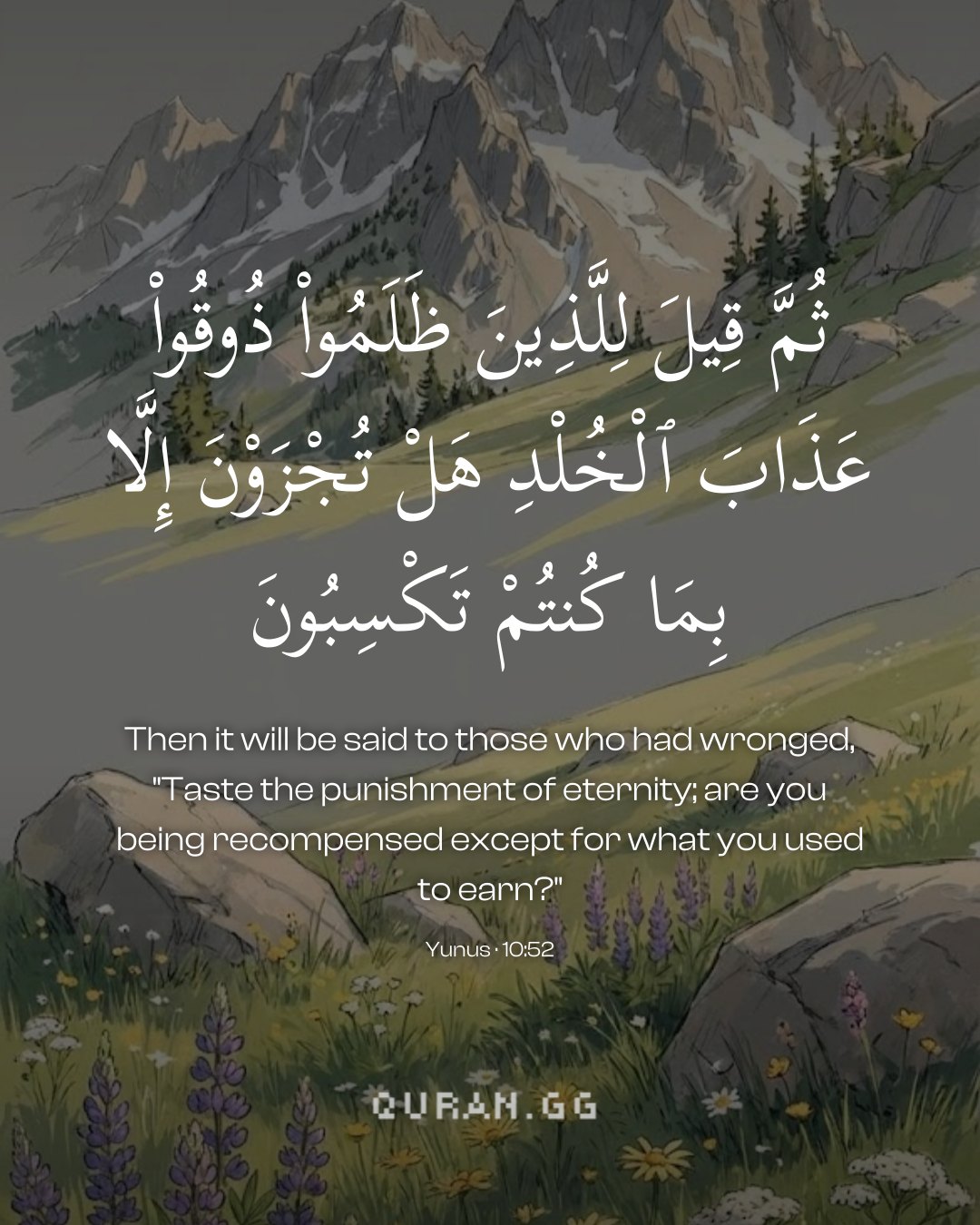
The Deniers of the Day of Resurrection wish to hasten its Coming and their Response
Allah told us about the idolators who reject faith through their demand that the punishment be hastened, inquiring about the time of punishment. The response to such question is not inherently beneficial, yet they inquired anyway. Allah said:
(Those who believe not therein seek to hasten it, while those who believe are fearful of it, and know that it is the very truth.) 42:18 They know that it is the truth for it is definitely going to happen. It is going to take place even if they have no idea when it will occur. This is why Allah instructed His Messenger to answer them saying:
It was said in verse أَثُمَّ إِذَا مَا وَقَعَ آمَنتُم بِهِ ۚ آلْآنَ. It means: ` Would you believe when Divine punishment actually descends down upon you - whether at the time of death, or even before it? But, at that time, the response to your believing will be: آلْآنَ ('al'an: now?) meaning: Is it now that you have come to believe while the time of believing has already passed? This is similar to what the Pharaoh said while drowning: آمَنتُ أَنَّهُ لَا إِلَـٰهَ إِلَّا الَّذِي آمَنَتْ بِهِ بَنُو إِسْرَائِيلَ وَأَنَا مِنَ الْمُسْلِمِينَ ﴿90﴾ ("I believe that there is no god except the One in whom the Children of Isra'il believe - 10:90). In answer, it was said: آلْآنَ ('al'an: now?) and this believing by him was not accepted. In Hadith, the Holy Prophet ﷺ has said, ` Allah Ta` ala keeps accepting the repentance of His servant until he is seized by the agony of death.' It means that believing and repenting at the time of the agony of death is not credible in the sight of Allah. Similarly, in the mortal world, Taubah (repentance) could be accepted if done before the actual falling of the Divine punishment. Once the punishment strikes, Taubah is not accepted. The event related to the people of Sayyidna Yunus going to appear towards the end of the Surah in which their Taubah was accepted falls under this very rule. They had seen the punishment coming from a distance. Moved earnestly, weeping and wailing, they made their Taubah in all sincerity. Therefore, the punishment was withdrawn. Had it struck them, their Taubah would have remained unaccepted.
Tazkirul Quran
Maulana Wahiduddin Khan
Earthquakes and storms are God-managed events. These events show that whenever an issue arises between God and man, the power of deciding rests entirely with the former. But man does not take this factor into consideration. He sees only that the Law of God is not immediately coming into effect; and this being so, he remains neglectful. But when God’s decision comes into force, man will find himself ready to accept everything, though accepting at that time will be of no avail, because that will be the time when one is faced with the consequences of deeds already performed, with no account taken of the performance of fresh deeds.
Uthmani text of the Madinah mushaf (King Fahd Complex). Translation: Saheeh International. Tafsir via Quran.com.