(Indeed (many) Messengers were mocked before you, but the scoffers were surrounded by what they used to mock.) meaning, the punishment which they thought would never come to pass. This is like the Ayah:
خُلِقَ الْإِنسَانُ مِنْ عَجَلٍ (Man is made of haste. - 21:37). عَجَل ('ajal) means haste or hurry. The word is used in situations when one desires things to happen before their time, and this trait is bad by its very nature. In another place also the word is used to denote human weakness. For instance وَكَانَ الْإِنسَانُ عَجُولًا i.e. Man is prone to haste - 17:11, meaning that he is very impatient. When Sayyidna Musa (علیہ السلام) went to the mount Tur in a hurry leaving his people behind, he was censured by Allah Ta` ala.
Prophets (علیہم السلام) and the devout people who try to excel each other in the performance of righteous deeds have been commended and their zeal to do good deeds does not constitute haste and hurry because they do not try to do these deeds before their time. In fact they do the deeds on time, but try to excel each other in quantity and quality.
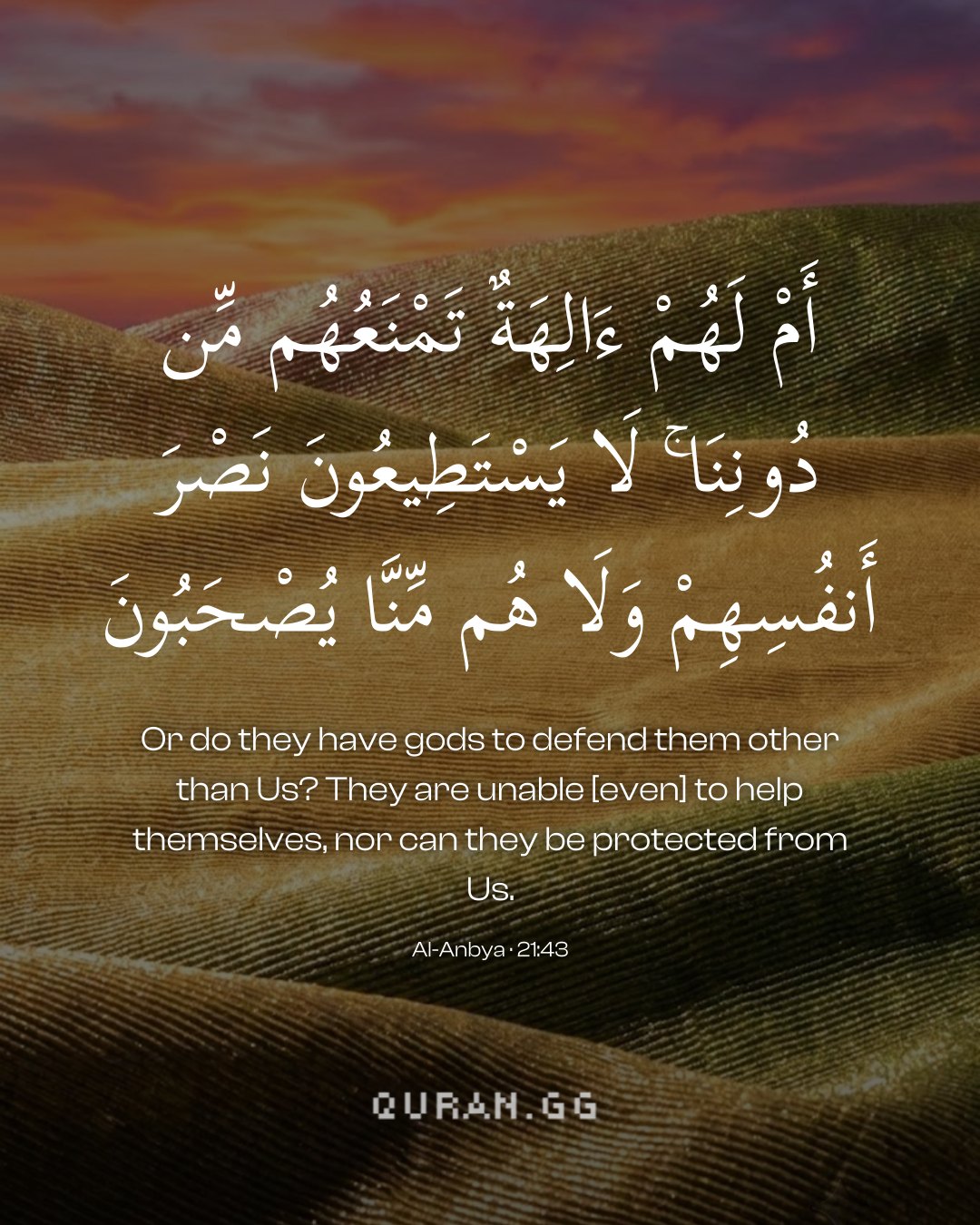
God’s reckoning is not something which belongs to a distant future. It is latent in this very diurnal routine in which man feels so secure and protected. For instance, if the distance between the sun and the earth were to be reduced by half, our days would become so hot that we would be roasted as if by the flames of a fire. On the contrary, if the distance between the sun and the earth were doubled, our nights would become so cold that we would be frozen like ice. The Being who has established such a highly favourable system of the earth and the heavens deserves to have homage paid to Him, to be worshipped and offered total loyalty, instead of false gods who are not capable of giving people anything.
Uthmani text of the Madinah mushaf (King Fahd Complex). Translation: Saheeh International. Tafsir via Quran.com.