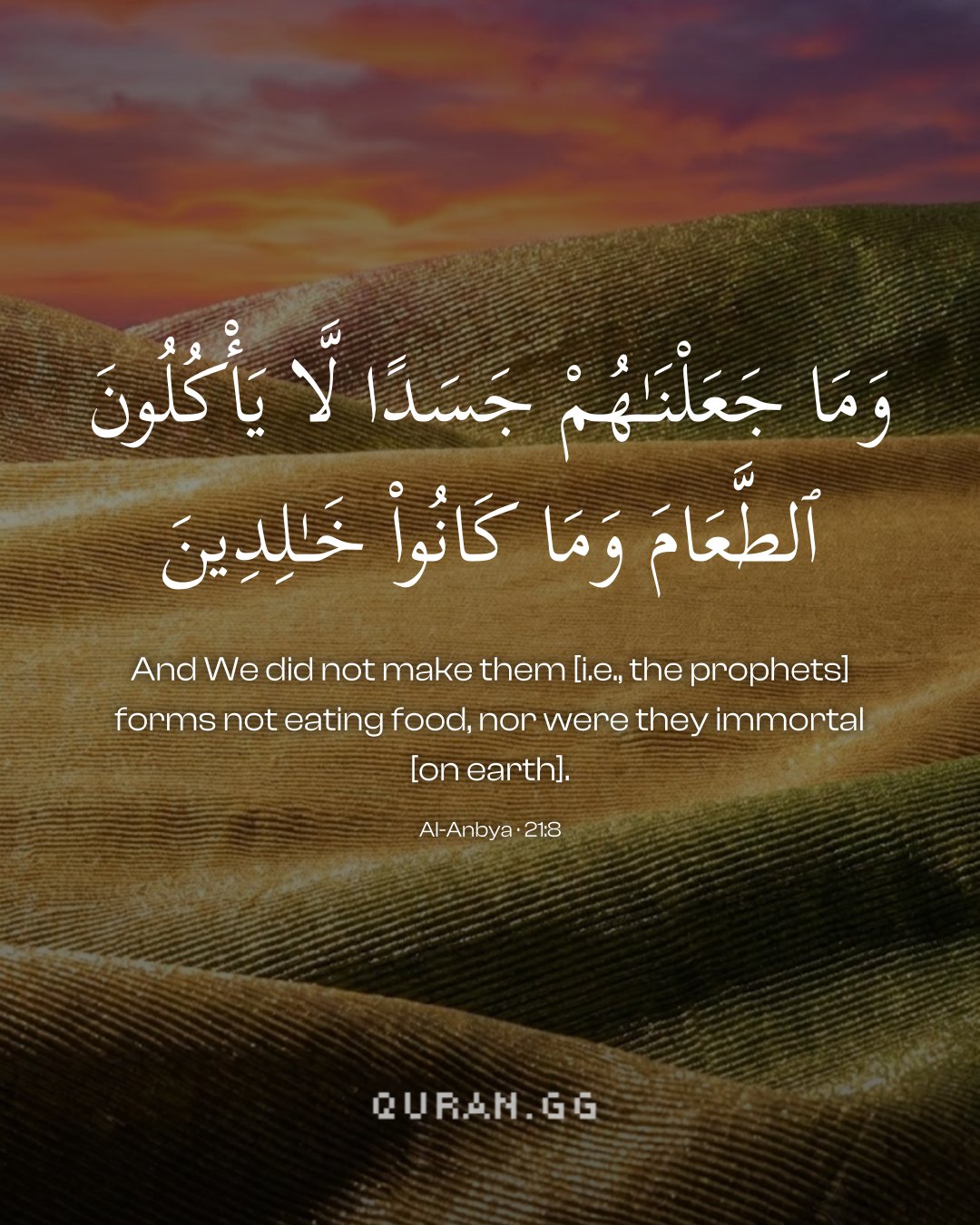
(And We sent not before you but men to whom We revealed.) meaning, all the Messengers who came before you were men, human beings. There were no angels among them. This is like the Ayat:
فَاسْأَلُوا أَهْلَ الذِّكْرِ إِن كُنتُمْ لَا تَعْلَمُونَ (So, ask the people (having the knowledge) of the message, if you do not know. - 21:7) In this verse, scholars of Injil Evangele) and Torah are referred to as أَهْلَ الذِّكْرِ (people of the message), who had accepted the Holy Prophet's prophethood. Therefore, what it actually means is that if you are not aware whether the prophets of the past were angels or ordinary men then you should find out from the scholars of Injil and Torah as they know perfectly well that all prophets were human beings. It is, therefore, quite possible that here the term اَھلَ :(people of the message) refers to all Jews and Christians (even though they have not believed in the Holy prophethood of the Holy Prophet ﷺ).
Ruling: Qurtubi has said in his exegesis that this verse has made it clear that ignorant persons who are not acquainted with the rules of Shari'ah must seek knowledge from scholars and then follow them accordingly.
Tazkirul Quran
Maulana Wahiduddin KhanOn ayahs 6–8
The messenger of truth always presents the truth on the strength of sound arguments. When the Prophet’s opponents felt that they could not counter his arguments with their own arguments, they tried to dissuade the people from treading the path of truth by levelling different types of false allegations, such as saying that this (the divine discourse in the Quran) was mere poetry, that it was literary magic, that these were the senseless ramblings of a madman, that it was all self-devised, etc. Since the Prophet Muhammad did not perform any miracles before the people of Makkah, they cast aspersions on his prophethood by raising the issue of why he had not brought any miracle from God, like the other prophets in the past. Throughout the history of religion, experience has shown that those who do not accept the truth on the presentation of sound arguments, refuse to accept it even after seeing a miracle. Therefore, it is essential for the well wishing of the people that admonition on the strength of arguments be continued, instead of concluding the process of preaching by performing a miracle, because the rejection of a miracle invites the wrath of God. Consequently, the next stage can only be the destruction of the deniers.
Uthmani text of the Madinah mushaf (King Fahd Complex). Translation: Saheeh International. Tafsir via Quran.com.