Tafsir Ibn Kathir (abridged)
The Wisdom Behind the Losses Muslims Suffered During Uhud
Allah states to His believing servants who suffered losses in the battle of Uhud, including seventy dead,
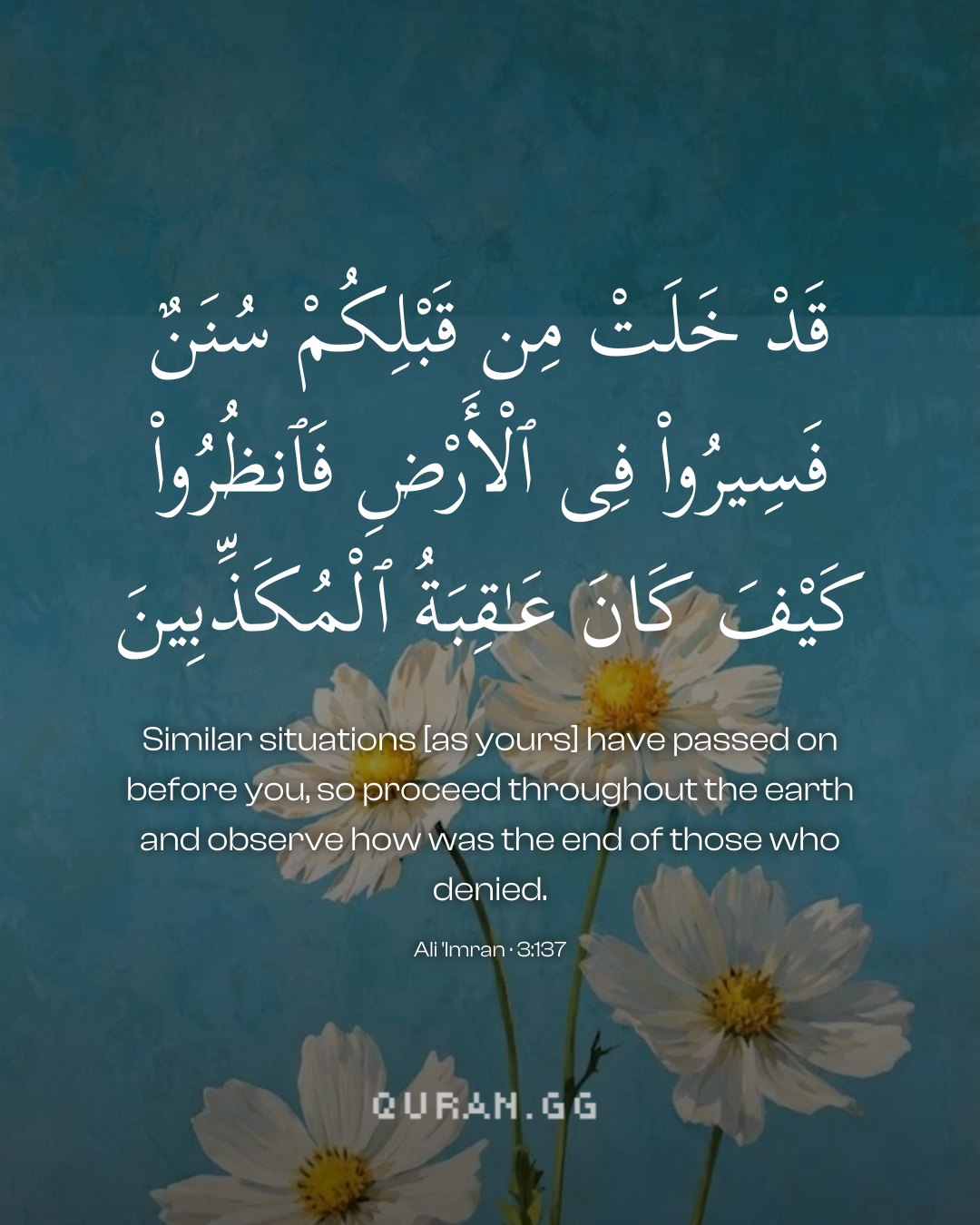
قَدْ خَلَتْ مِن قَبْلِكُمْ سُنَنٌ
(137... Many similar ways (and mishaps of life) were faced before you), for the previous nations who followed their Prophets before you, they too suffered losses. However, the good end was theirs, and the ultimate defeat was for the disbelievers. This is why Allah said,
فَسِيرُواْ فِى الاٌّرْضِ فَانْظُرُواْ كَيْفَ كَانَ عَـقِبَةُ الْمُكَذِّبِينَ
(so travel through the earth, and see what was the end of those who denied). Allah said next,) (3:137 end...)
هَـذَا بَيَانٌ لِّلنَّاسِ
(138.. This is a plain statement for mankind), meaning, the Qur'an explains the true reality of things and narrates how the previous nations suffered by the hands of their enemies.
وَهُدًى وَمَوْعِظَةٌ
(And a guidance and instruction) for the Qur'an contains the news of the past, and,
هُدًى
(guidance) for your hearts,
وَمَوْعِظَةً لِّلْمُتَّقِينَ
(and instruction for the Muttaqin) to discourage committing the prohibited and forbidden matters. Allah comforts the believers by saying,(3:138 end...)
وَلاَ تَهِنُواْ
(139.. (So do not become weak), because of what you suffered,
وَلاَ تَحْزَنُوا وَأَنتُمُ الاٌّعْلَوْنَ إِن كُنتُم مُّؤْمِنِينَ
(nor be sad, and you will be triumphant if you are indeed believers), for surely, the ultimate victory and triumph will be yours, O believers.) (3:139 end...)
إِن يَمْسَسْكُمْ قَرْحٌ فَقَدْ مَسَّ الْقَوْمَ قَرْحٌ مِّثْلُهُ
(If a wound has touched you, be sure a similar wound has touched the others) 3:140.
Therefore, the Ayah says, if you suffered injuries and some of you were killed, then your enemies also suffered injuries and fatalities.
وَتِلْكَ الاٌّيَّامُ نُدَاوِلُهَا بَيْنَ النَّاسِ
(And so are the days, that We give to men by turns) , and at times -- out of wisdom -- We allow the enemy to overcome you, although the final good end will be yours.
وَلِيَعْلَمَ اللَّهُ الَّذِينَ ءَامَنُواْ
(and that Allah may know (test) those who believe,) meaning, "So that We find out who would be patient while fighting the enemies," according to Ibn `Abbas.
وَيَتَّخِذَ مِنكُمْ شُهَدَآءَ
(and that He may take martyrs from among you) those who would be killed in Allah's cause and gladly offer their lives seeking His pleasure.
وَاللَّهُ لاَ يُحِبُّ الظَّـلِمِينَوَلِيُمَحِّصَ اللَّهُ الَّذِينَ ءَامَنُواْ
(And Allah likes not the wrongdoers. And that Allah may test those who believe) 3:140,141, by forgiving them their sins if they have any. Otherwise, Allah will raise their grades according to the losses they suffered. Allah's statement,
وَيَمْحَقَ الْكَـفِرِينَ
(and destroy the disbelievers), for it is their conduct that if they gain the upper hand, they transgress and commit aggression. However, this conduct only leads to ultimate destruction, extermination, perishing and dying out...(3:141 end...)
Allah then said,
أَمْ حَسِبْتُمْ أَن تَدْخُلُواْ الْجَنَّةَ وَلَمَّا يَعْلَمِ اللَّهُ الَّذِينَ جَـهَدُواْ مِنكُمْ وَيَعْلَمَ الصَّـبِرِينَ
(142.. Do you think that you will enter Paradise before Allah knows (tests) those of you who will perform Jihad and (also) knows (tests) those who are the patient)
The Ayah asks, do you think that you will enter Paradise without being tested with warfare and hardships Allah said in Surat Al-Baqarah,
أَمْ حَسِبْتُمْ أَن تَدْخُلُواْ الْجَنَّةَ وَلَمَّا يَأْتِكُم مَّثَلُ الَّذِينَ خَلَوْاْ مِن قَبْلِكُم مَّسَّتْهُمُ الْبَأْسَآءُ وَالضَّرَّآءُ وَزُلْزِلُواْ
(Or think you that you will enter Paradise without such (trials) as came to those who passed away before you They were afflicted with severe poverty and ailments and were so shaken. ..) 2:214. Allah said,
الم أَحَسِبَ النَّاسُ أَنْ يُتْرَكُوا أَنْ يَقُولُوا آمَنَّا وَهُمْ لَا يُفْتَنُونَ
(Alif Lam Mim. Do people think that they will be left alone because they say: "We believe," and will not be tested) 29:1,2, This is why He said here,
أَمْ حَسِبْتُمْ أَن تَدْخُلُواْ الْجَنَّةَ وَلَمَّا يَعْلَمِ اللَّهُ الَّذِينَ جَـهَدُواْ مِنكُمْ وَيَعْلَمَ الصَّـبِرِينَ
(Do you think that you will enter Paradise before Allah knows (tests) those of you who will perform Jihad and (also) knows (tests) those who are the patient) 3:142 meaning, you will not earn Paradise until you are tested and thus Allah knows who among you are the ones who struggle and fight in His cause and are patient in the face of the enemy. Allah said,
وَلَقَدْ كُنتُمْ تَمَنَّوْنَ الْمَوْتَ مِن قَبْلِ أَن تَلْقَوْهُ فَقَدْ رَأَيْتُمُوهُ وَأَنتُمْ تَنظُرُونَ
(143.. You did indeed wish for death (martyrdom) before you met it. Now you have seen it openly with your own eyes)
The Ayah proclaims, O believers! Before today, you wished that you could meet the enemy and were eager to fight them. What you wished has occurred, so fight them and be patient.
In the Two Sahihs it is recorded that the Messenger of Allah ﷺ said,
«لَا تَتَمَنَّوْا لِقَاءَ الْعَدُوِّ، وَسَلُوا اللهَ الْعَافِيَةَ، فَإِذَا لَقِيتُمُوهُمْ فَاصْبِرُوا، وَاعْلَمُوا أَنَّ الْجَنَّـةَ تَحْتَ ظِلَالِ السُّيُوف»
(Do not wish to encounter the enemy, and ask Allah for your well-being. However, if you do encounter them, then observe patience and know that Paradise is under the shade of swords.)
This is why Allah said here,
فَقَدْ رَأَيْتُمُوهُ
(Now you have seen it): death, you saw it when the swords appeared, the blades were sharpened, the spears crisscrossed and men stood in lines for battle. This part of the Ayah contains a figure of speech that mentions imagining what can be felt but not seen.