("We have believed in Allah and in the Messenger, and we obey," then a party of them turn away thereafter,) meaning, their actions contradict their deeds, and they say that which they do not do. Allah says:
(And when they are called to Allah and His Messenger, to judge between them...) means, when they are asked to follow the guidance which Allah has revealed to His Messenger , they turn away and are too arrogantly proud of themselves to follow him. This is like the Ayah:
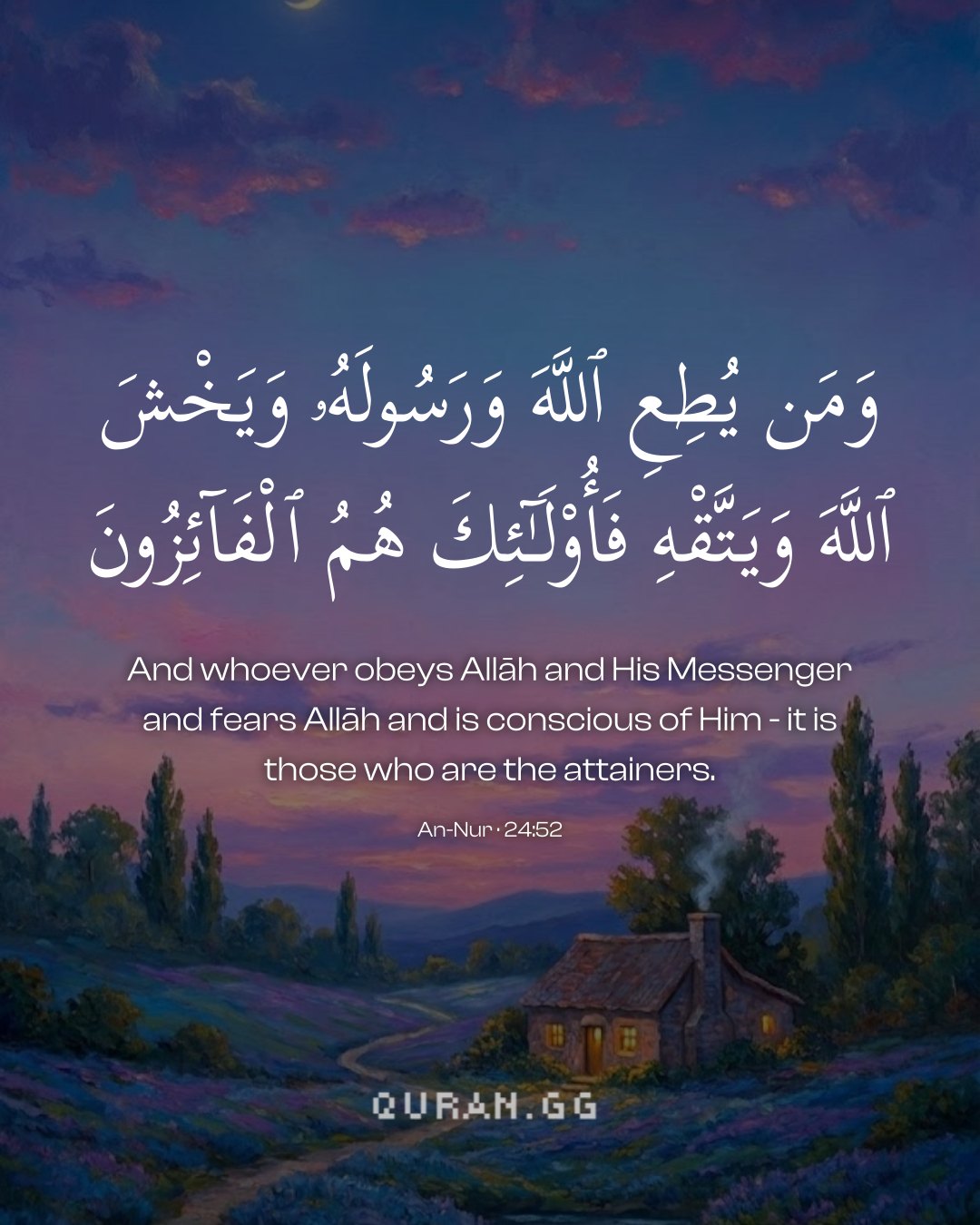
And whoever obeys, Allah and His messenger and has awe of Him and observes Tagwa of Him, then such people are the victorious. [ 52]
In this verse it is declared that those who bind themselves to follow these four things are the ones who are successful and victorious in this world and the Hereafter.
An astonishing incident
An incident of Sayyidna ` Umar ؓ is reported in Tafsir Qurtubi, which explains the difference between these four things and puts them in right perspective. It so happened that one day Sayyidna ` Umar ؓ was standing in the Prophet's mosque, when suddenly a Roman villager appeared and stood beside him, and said انا اَشھَدُ اَنَّ لا إله إلا اللہ و اَشھَدُ اَنَّ مُحَمَّدَاً رَّسُولُ اَلله . Sayyidna ` Umar ؓ inquired ` What is the matter?' He replied ` I have accepted Islam for Allah's sake'. Then Sayyidna Umar ؓ asked if there was any reason for that, to which he replied in the affirmative, and elaborated that he had read Torah, Injil, Zabur and a number of other books brought by past messengers. But lately he had heard a verse of the Holy Qur'an recited by a Muslim prisoner and realized that in that small verse all the older books have been condensed. So, he was convinced that it was Allah's revelation. Then Sayyidna ` Umar ؓ enquired from him about the verse he was referring to, and he recited this very verse. That Roman villager also gave a very astonishing commentary of the verse, which goes like this:
And whoever obeys Allah and His messenger and has awe of Him and observes Tagwa of Him, then such people are the victorious. [ 52]
This مَن يُطِعِ اللَّـهَ relates to the obligations toward Allah and وَرَسُولَهُ refers to Prophet's traditions, and يَخْشَ اللَّـهَ alludes toward past life and وَيَتَّقْهِ is purported for the remaining life. When someone acts upon these four
things he is given the good tiding of فَأُولَـٰئِكَ هُمُ الْفَائِزُونَ (that such people are the victorious). And Fa'iz is that person who gets deliverance from Jahannam and earns a place in the Paradise. After hearing this explanation Sayyidna ` Umar ؓ said the endorsement of this is available in the utterance of the Holy Prophet ﷺ ، who had said that اُوتیت جوامع الکلم Allah has graced me with such comprehensive expressions in which words are few but the meanings are vast'. (Qurtubi)
Tazkirul Quran
Maulana Wahiduddin Khan
The believer is one who makes himself subservient to God and His Prophet. The moment the decision of God and His Prophet is made known to him, he unhesitatingly complies with it, irrespective of whether it is in accordance with his wishes or against them, whether it protects his personal interests or harms them. In the life Hereafter, success will crown one who bows down before the commandments of God and His Prophet and whose realisation of God is such that he fears Him the most; to save himself from the displeasure of God becomes the greatest concern of his life.
Uthmani text of the Madinah mushaf (King Fahd Complex). Translation: Saheeh International. Tafsir via Quran.com.