(And a tree that springs forth from Mount Sinai, that grows (produces) oil, and (it is a) relish for the eaters.) (23:20) -- which is the olive tree. This is supported by the Ayah:
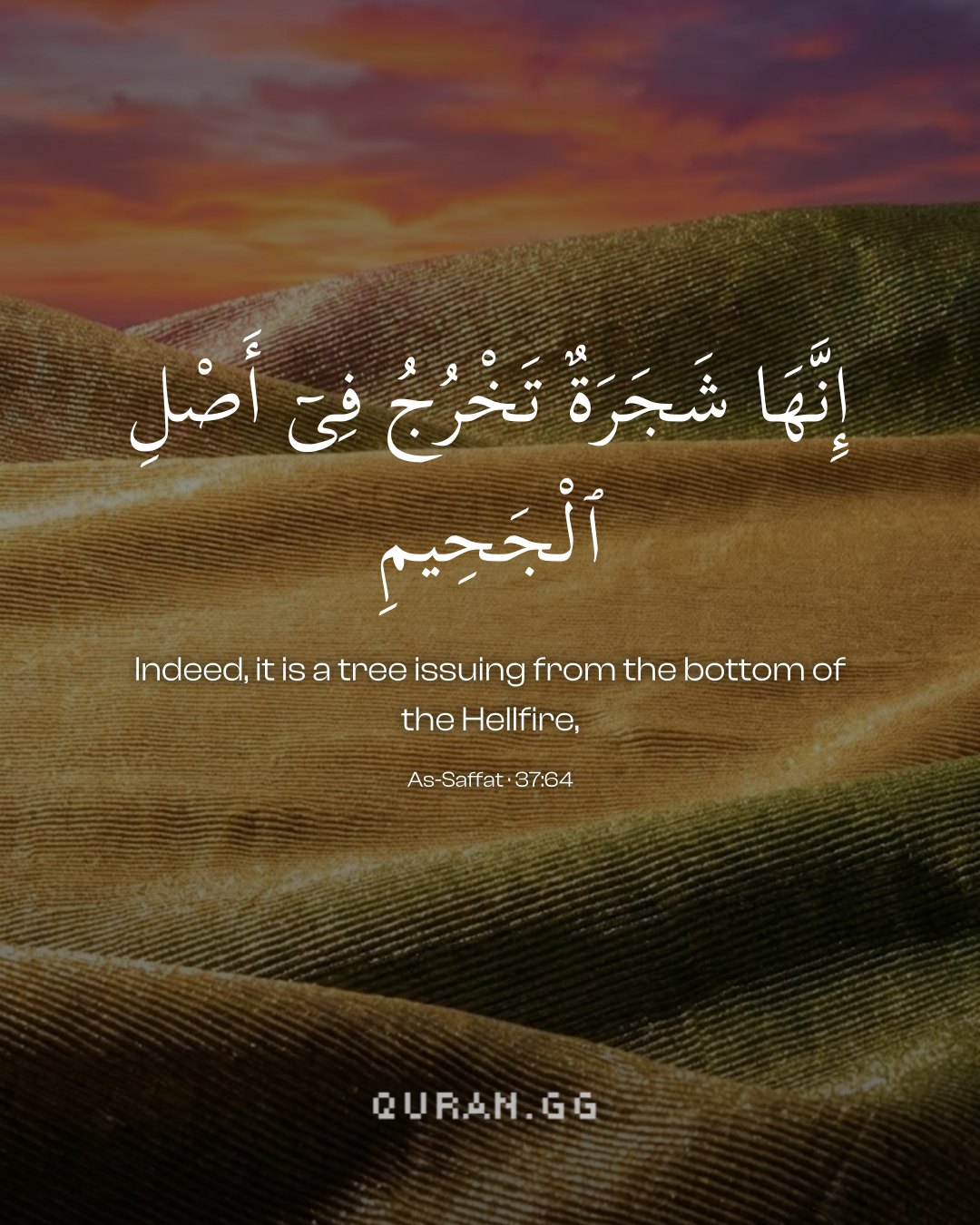
Allah Ta'ala gave an answer in a single sentence by saying: إِنَّهَا شَجَرَةٌ تَخْرُجُ فِي أَصْلِ الْجَحِيمِ (That is a tree that comes out in the bottom of Jahannam - 37:64). Thus, neither does it mean date and butter, nor the objection as to how could a tree survive in fire hold valid - particularly when that tree owes its very origin to the fire itself. Hence, Allah Ta ala has placed such properties in it that instead of getting burnt in fire, it is actually nurtured by it. For example, there are many life forms that would survive only in fire that does not burn them, in fact, makes them grow.
Tazkirul Quran
Maulana Wahiduddin KhanOn ayahs 61–73
Paradise will be a world of aesthetic and noble activity. There will be interesting meetings; there will be enjoyable experiences; intellectually stimulating conversations and all kinds of limitations and unpleasantness will have come to an end. Believing in the Hereafter does not mean a simple acceptance of it but rather considering the existence of the Hereafter as so very real and so very important that its concept should prevail over one’s entire life and one should be prepared to risk one’s all for its sake. Those who had thought of believers who were ever conscious of the Hereafter as being mad will be wonderstruck on seeing their success in the Hereafter. On the other hand, the believers in the Hereafter themselves will be surprised to see their own glory, finding it difficult to believe that God could have rewarded them so generously for their small acts of goodness. How strange is one who does not pine for such a heaven and who does not perform such deeds as will help him achieve it.
Uthmani text of the Madinah mushaf (King Fahd Complex). Translation: Saheeh International. Tafsir via Quran.com.