(He was called from the right side of the valley, in the blessed place, from the tree: "O Musa! Verily, I am Allah.")28:30 However, here Allah says,
إِنِّى أَنَاْ رَبُّكَ
(Verily, I am your Lord!) meaning, `the One Who is talking to you and addressing you,'
فَاخْلَعْ نَعْلَيْكَ
(So take off your shoes;) `Ali bin Abi Talib, Abu Dharr, Abu Ayyub and others of the Salaf said, "They (his sandals) were from the skin of a donkey that was not slaughtered." It has also been said that he was only commanded to remove his sandals due to respect for the blessed spot. Concerning Allah's statement,
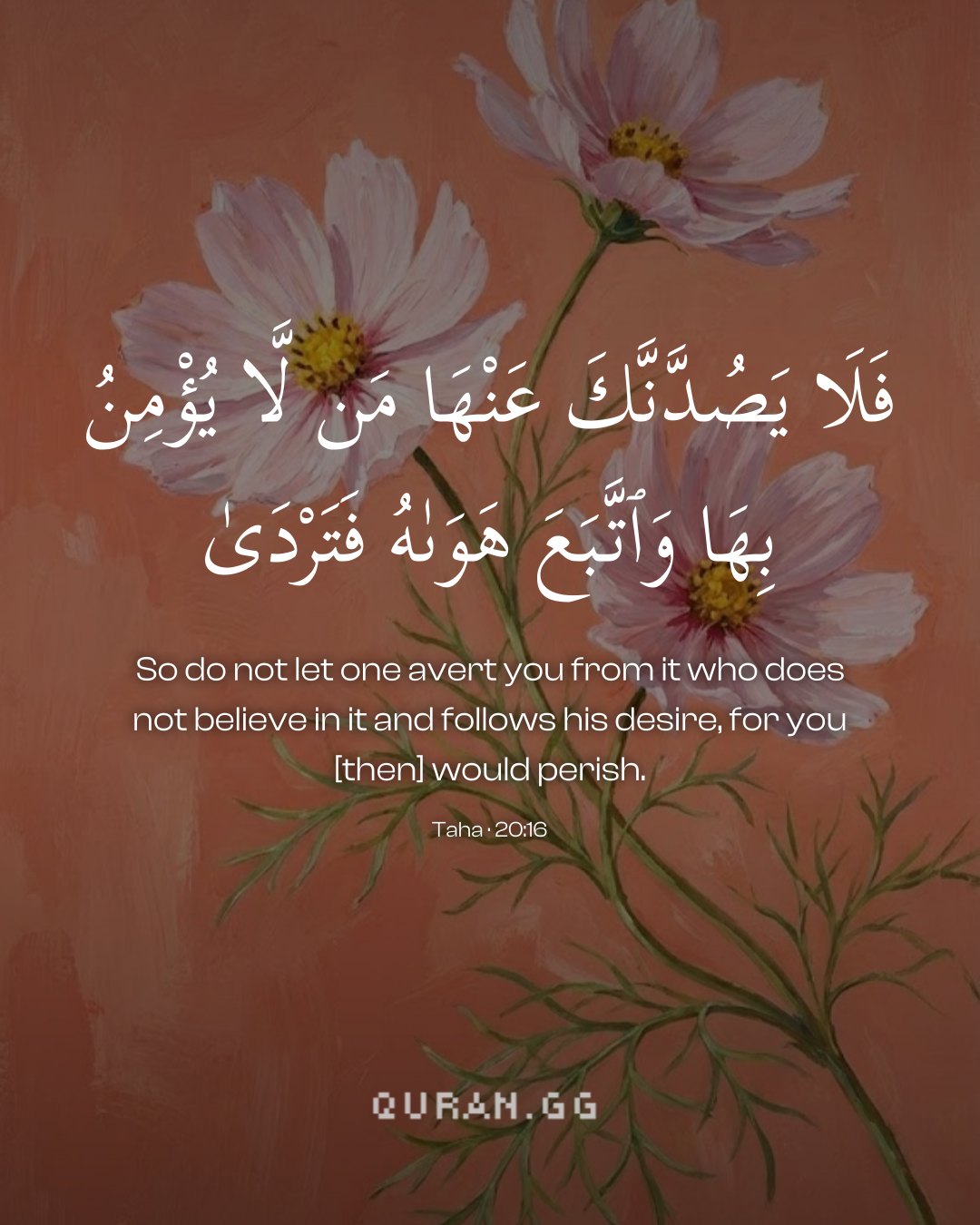
فَلَا يَصُدَّنَّكَ عَنْهَا (must not make you neglectful of it - 20:16 ) Here Sayyidna Musa (علیہ السلام) is cautioned by Allah Ta’ ala lest he should allow himself to be led away by the infidels and become negligent about the Day of Judgment because that would be the cause of his ruination. It is clear that a Prophet and a Messenger who is impeccable cannot commit such a lapse but the fact that such a warning has been addressed to him is meant to warn his followers as well as mankind at large to be cautious in the matter
Tazkirul Quran
Maulana Wahiduddin KhanOn ayahs 16–21
The fire seen by Moses was not an ordinary fire, but the glowing manifestation of God’s glory. Therefore, when he reached there, he was made to realise the importance of the audience he was having. He was asked to remove his shoes in order that, in all humility, he should be fully attentive. Then came the voice informing him that he was in the presence of God and that He (God) had chosen him as His messenger. At that time, the instructions given to Moses were the same as were always given to all God’s prophets, namely, to hold worthy of worship the one and only God, to pray to Him alone and to remember Him on all occasions. Then, Moses was informed of the fact that the present world was a world of trial, and that for a certain period God had kept the realities hidden in the realms of the unseen. On the Day of Judgement, this curtain would be torn asunder. Thereafter, the second phase of man’s life would start, when everybody would be judged according to his deeds in the present world. When emotions and desires get the better of a man, he becomes unmindful of the Hereafter and starts pursuing the ways of this world. To justify his misdeeds, he masks the true nature of the course of his action in beautiful and charming words. Others are impressed. On hearing this, they too become forgetful of the Hereafter. Under these circumstances, a man of faith needs to be extremely watchful about his own attitude and actions. He needs to save himself from being influenced by those who are unmindful of God and forgetful of the Hereafter.
Uthmani text of the Madinah mushaf (King Fahd Complex). Translation: Saheeh International. Tafsir via Quran.com.